
The Contingency Clause That Saved One Buyer $40,000 (And the One That Cost Another Their Dream Home): Your Complete Guide to Offer Protections
Share
A buyer I work with discovered major foundation issues during their inspection of a home in Port St. Lucie. The repair estimates came back at over $40,000. Because they’d included a proper inspection contingency in their offer, they were able to walk away from the deal and get their full earnest money deposit back without any penalty. Meanwhile, another buyer in a competitive situation waived all contingencies to make their offer more attractive. When their appraisal came in $15,000 below the purchase price, they had no way out. They either had to bring an extra $15,000 in cash to closing, renegotiate with a seller who had no obligation to help them, or walk away and lose their $10,000 earnest money deposit. These two scenarios play out constantly in Florida’s real estate market, and the difference between a protected transaction and a financial disaster often comes down to understanding contingencies and knowing when to include them, when to remove them, and when waiving them puts you at unacceptable risk. If you’re making an offer on a Florida home, understanding contingencies isn’t optional knowledge. It’s essential protection that could save you thousands of dollars or prevent you from buying a home with serious problems you didn’t know about.
What Contingencies Really Are and Why They Exist
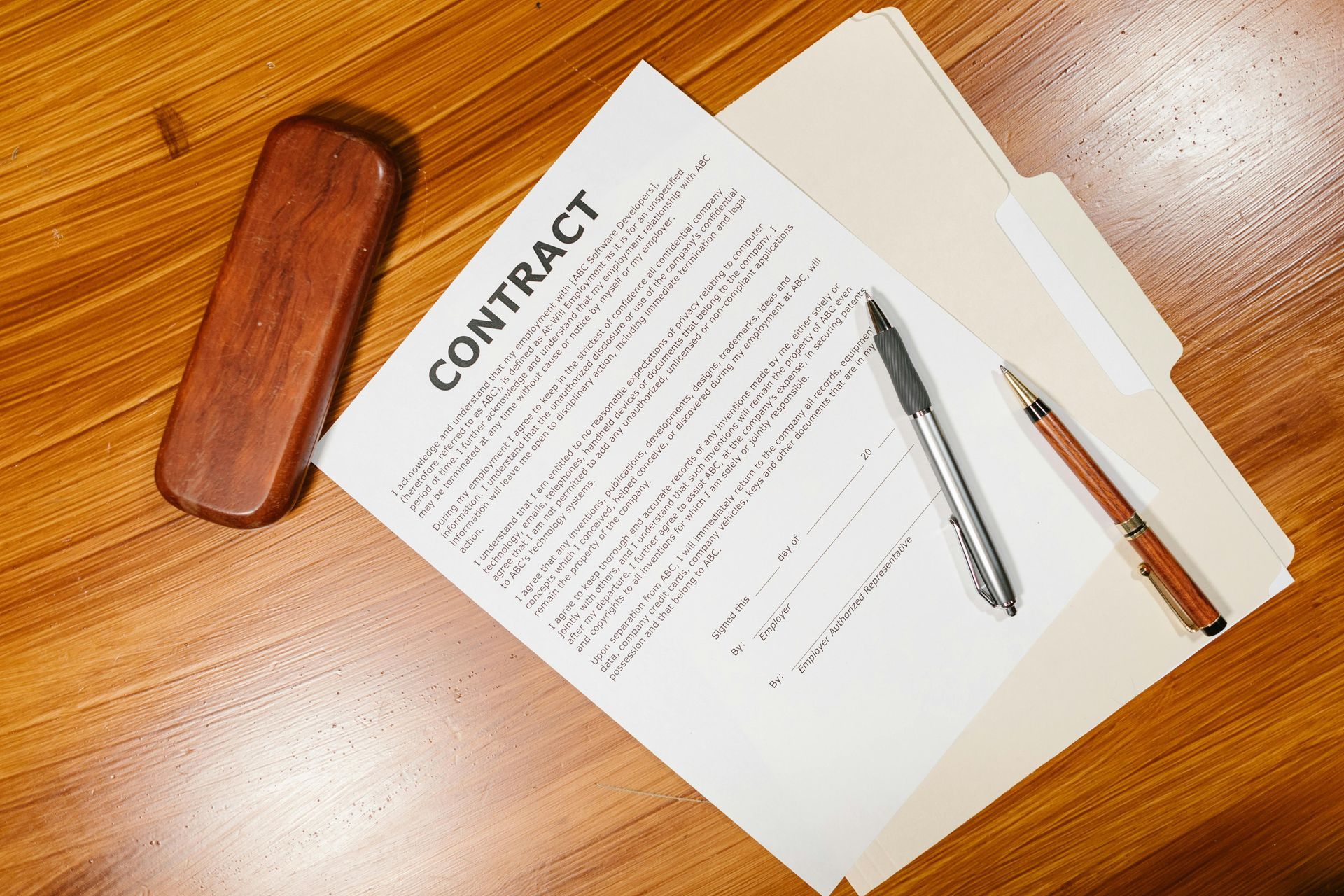
A contingency is a condition written into your purchase contract that must be satisfied before you’re legally obligated to complete the purchase. Think of contingencies as escape hatches that allow you to back out of a real estate transaction without penalty if certain conditions aren’t met. When you write an offer with contingencies, you’re essentially saying “I agree to buy this house, but only if these specific conditions are satisfied.” If the conditions aren’t met, you can cancel the contract and receive your earnest money deposit back. Contingencies protect buyers from being forced to complete purchases under circumstances that would be financially harmful or unsafe. They give you time to conduct due diligence, verify that the property is what you think it is, and ensure your financing will actually come through. While contingencies protect buyers, they also make offers less attractive to sellers because they introduce uncertainty into the transaction. A seller accepting your contingent offer knows that you still have opportunities to walk away, which means they might lose time and other potential buyers if your deal falls through. This is why in competitive markets, some buyers feel pressure to waive contingencies to make their offers more appealing. Understanding what each contingency protects you against helps you make informed decisions about which ones are non-negotiable and which ones you might be willing to waive in the right circumstances.
The Inspection Contingency: Your First Line of Defense
The inspection contingency gives you the right to have the property professionally inspected and to cancel the contract or renegotiate terms if the inspection reveals significant issues. In Florida, where homes face unique challenges from humidity, heat, hurricanes, and sometimes flooding, inspection contingencies are particularly valuable. A thorough home inspection examines the property’s major systems and components including the roof, foundation, structural elements, electrical system, plumbing, HVAC system, windows and doors, and visible signs of water damage, mold, or pest infestation. In Florida specifically, inspectors look for hurricane damage, proper drainage and grading, signs of moisture intrusion, roof condition considering our intense sun and storm exposure, HVAC efficiency for our climate demands, and evidence of termites or other pests common to our region. When your inspection is complete and the inspector provides their report, you typically have several options depending on what was found and how your contract is written. If the inspection reveals no significant issues, you can proceed with the purchase as planned. If issues are discovered, you can request that the seller make repairs before closing, ask the seller to provide a credit at closing to cover repair costs, renegotiate the purchase price downward to account for needed repairs, or cancel the contract entirely and receive your earnest money deposit back. The inspection contingency usually includes a specific timeframe, often seven to ten days in Florida, during which you must complete your inspection and decide how to proceed.
The Appraisal Contingency: Protecting Against Overpaying
An appraisal contingency protects you if the home’s appraised value comes in lower than your agreed purchase price. This contingency is particularly important in Florida’s fluctuating market where property values can vary significantly between neighborhoods and where rapid appreciation sometimes means purchase prices outpace actual market values. Here’s why appraisal contingencies matter. Your lender will only loan you money based on the appraised value of the home, not necessarily the price you’ve agreed to pay. If you’re putting down 20% and the home appraises for exactly the purchase price, everything proceeds normally. But if you’re buying a home for $400,000 and it appraises for only $380,000, you have a $20,000 gap that must be addressed. With an appraisal contingency, you have options. You can ask the seller to lower the purchase price to match the appraised value, agree to bring additional cash to closing to cover the gap between the appraised value and purchase price, meet somewhere in the middle through negotiation, or cancel the contract and receive your earnest money back. Without an appraisal contingency, you’re committed to the purchase price regardless of the appraisal. This means you’d have to bring the extra cash, convince the seller to negotiate, or walk away and lose your earnest money deposit. In competitive markets, some sellers request that buyers waive appraisal contingencies or agree to cover appraisal gaps up to a certain amount. While this makes your offer stronger, it also means you need to have substantial cash reserves available in case the appraisal comes in low.
The Financing Contingency: Your Safety Net If Loan Approval Falls Through
The financing contingency states that your purchase is contingent upon obtaining a mortgage loan to buy the property. Even if you’re pre-approved when you make your offer, final loan approval doesn’t happen until much later in the process after the lender completes full underwriting, verifies all your documentation, and gets an appraisal on the property. The financing contingency protects you if something unexpected prevents you from getting final loan approval. Perhaps you lose your job during the transaction, your financial situation changes significantly, the property doesn’t meet lender requirements, or the lender discovers information during underwriting that wasn’t apparent during pre-approval. With a financing contingency, if your loan gets denied through no fault of your own and you’ve made good faith efforts to obtain financing, you can cancel the contract and get your earnest money back. Without this contingency, you’d be obligated to complete the purchase even if you can’t get a loan, which would likely mean losing your earnest money deposit. The financing contingency typically includes a timeframe by which you must have loan approval, often 30 to 45 days, and it usually requires that you make good faith efforts to obtain financing by providing requested documentation promptly and not making major financial changes during the transaction.
The Home Sale Contingency: For Buyers Who Need to Sell First
If you currently own a home and need proceeds from its sale to purchase your new home, a home sale contingency makes your offer contingent on successfully selling your current property. This is one of the most complex contingencies because it introduces significant uncertainty for sellers. From the seller’s perspective, accepting an offer with a home sale contingency means waiting for your home to sell, which could take weeks or months, and potentially losing other buyers during that time. Because of these concerns, many sellers won’t accept offers with home sale contingencies, particularly in competitive markets where they have multiple offers or expect their home to sell quickly. If you need a home sale contingency, you can make your offer more attractive by already having your current home under contract before you make an offer on the new property, offering a shorter contingency period if your home is actively listed and showing well, or including a “kick-out clause” that allows the seller to continue marketing their property and accept backup offers, giving you a short period to remove your contingency if another buyer appears. Alternatives to home sale contingencies include bridge loans that allow you to access your current home’s equity before it sells, rent-back arrangements where you sell your current home but rent it back temporarily, or simply waiting to make offers on new homes until your current home is under contract or sold.
Title Contingency and Other Protective Clauses
The title contingency protects you by making your purchase contingent on the seller being able to deliver clear title to the property free of liens, encumbrances, or legal issues. During the title search process, a title company examines public records to verify that the seller actually owns the property and has the legal right to sell it, identify any mortgages, liens, judgments, or other claims against the property, and check for easements, restrictions, or other title issues that could affect your ownership. If the title search reveals problems, such as outstanding liens that must be paid, ownership disputes that need resolution, or easements you weren’t aware of that significantly impact the property use, you can require the seller to resolve these issues before closing or cancel the contract if they cannot. Some contracts also include a homeowners insurance contingency, which protects you if you’re unable to obtain acceptable homeowners insurance on the property. In Florida where insurance has become increasingly expensive and sometimes difficult to obtain, this contingency can be valuable. If insurance companies won’t cover the property or quotes come back substantially higher than expected, you might need the ability to cancel the transaction.
The Strategic Decision: When to Waive Contingencies
In competitive situations, buyers sometimes choose to waive certain contingencies to make their offers more attractive. This is a calculated risk that requires careful consideration. You might consider waiving the inspection contingency if you’ve already done a pre-inspection before making your offer and know the property’s condition, you’re experienced with home repairs and comfortable taking on unknown issues, you have substantial cash reserves to handle unexpected repairs, or the home is newer construction where major issues are less likely. You might consider waiving or limiting the appraisal contingency if you have substantial cash available to cover a potential appraisal gap, you’ve done comparable sales research and feel confident the price is supported by the market, or you’re willing to walk away and lose your earnest money if the appraisal comes in significantly low. You should almost never waive the financing contingency unless you’re paying cash, as this puts you at risk of losing your earnest money through no fault of your own if your loan doesn’t get approved. Before waiving any contingency, discuss the implications thoroughly with your mortgage professional via phone, text, or Zoom, and make sure you understand exactly what protection you’re giving up and what financial risk you’re accepting.
Understanding Contingency Removal and the Point of No Return
Contingencies don’t last forever. Your contract will specify timeframes during which each contingency must be satisfied or removed. For example, your inspection contingency might give you ten days to complete your inspection and decide whether to proceed, remove the contingency, or cancel the contract. As you satisfy each contingency or the deadline passes, you’ll typically sign a contingency removal or amendment formally removing that protection from your contract. Once you’ve removed a contingency, you generally cannot get it back. If you remove your inspection contingency after your inspection is complete and then discover additional problems before closing, you likely won’t be able to cancel the contract without penalty. This is why it’s crucial to complete all your due diligence thoroughly during contingency periods and not remove contingencies until you’re truly comfortable proceeding. Some buyers feel pressure from sellers or agents to remove contingencies quickly to keep deals moving. While you should work efficiently and respect deadlines in your contract, don’t let anyone pressure you into removing protections before you’re confident in your decision.
Florida-Specific Contingency Considerations
Florida’s unique market and property
characteristics create some contingency considerations specific to our state. Insurance contingencies are increasingly important given Florida’s challenging insurance market. Some buyers include specific language about maximum acceptable insurance premiums. Flood zone contingencies can protect you if you discover the property requires flood insurance you weren’t expecting or if flood insurance costs are substantially higher than estimated. Wind mitigation inspection contingencies allow you to verify that the home has proper hurricane protection features that qualify for insurance discounts. HOA approval contingencies give you time to review HOA documents and financial statements before committing, which is valuable given the prevalence of HOA communities in Florida. In certain areas, well and septic inspection contingencies allow you to verify these systems are functioning properly if the property isn’t on city water and sewer. Understanding which Florida-specific contingencies might be relevant to your purchase protects you from surprises related to our state’s unique property challenges.
Making Smart Contingency Decisions for Your Situation
The right approach to contingencies depends on your specific circumstances, risk tolerance, and the market conditions you’re buying in. If you’re a first-time buyer with limited cash reserves, maintaining strong contingencies protects you from financial disasters. If you’re experienced with real estate and have substantial savings, you might strategically waive certain contingencies in competitive situations. If you’re buying in a seller’s market with multiple offers, you’ll need to balance making your offer attractive against maintaining crucial protections. If you’re buying in a slower market, you can likely maintain all contingencies without concern. The key is understanding what each contingency protects you against, what risks you’re accepting if you waive it, and whether those risks are acceptable given your financial situation and the specific property you’re buying. Never let competitive pressure push you into waiving contingencies that protect you from risks you cannot afford to take. Your home purchase is too important and too expensive to gamble with inadequate protections.
Your Path to a Protected Purchase
Understanding contingencies empowers you to make offers that balance competitiveness with appropriate protections. The families I work with who understand contingencies thoroughly make better decisions about which protections they need and which they can strategically waive to improve their offers. They don’t walk into purchases blindly hoping nothing goes wrong. They use contingencies wisely to verify properties meet their expectations while maintaining escape routes if significant problems arise. Your real estate transaction should proceed on your terms, with protections that give you confidence rather than anxiety about what might go wrong. Working with experienced professionals who understand Florida’s market and can guide you through contingency decisions ensures you’re making informed choices rather than guessing about what protections you need.
Ready to Make Protected, Strategic Offers on Florida Homes?
If you’re preparing to make offers on Florida properties and want guidance on how contingencies affect your overall buying strategy and financing, I’m here to help. With over 20 years of experience helping Florida families navigate home purchases throughout the Treasure Coast and beyond, I can help you understand how contingencies interact with your financing, what risks different scenarios present, and how to structure offers that protect your interests while remaining competitive. Let’s discuss your specific situation via phone, text, or Zoom and create a strategy that gives you confidence throughout your home buying journey.
Contact me today at 772-444-6362 or email edgar@treasurecoasthomeloans.com.
Together, we’ll make sure you’re protected while pursuing your Florida homeownership goals.
Call or text 561-223-9347 or email edgar@treasurecoasthomeloans.com to discuss your loan.
Loan approval is not guaranteed and is subject to lender review of information. All loan approvals are conditional and all conditions must be met by the borrower(s). A loan is only approved when the lender has issued approval in writing and is subject to all lender conditions. Any specified rates and terms are contingent upon loan approval and are subject to change without notice due to unpredictable market conditions. Innovative Mortgage Services, Inc. is a Florida licensed lender. Company NMLS #250769. Originator NMLS # 230414. Florida Mortgage Lender License, License/Registration #: MLD178 Florida. Mortgage Lender Servicer License, License/Registration #: MLD2167 Equal. Equal Housing Lender
Mortgage Broker Port St. Lucie, Florida
Learn More About the Mortgage Process.
Check Out Our Google Verified Reviews





¿Podría Dar 5% de Pago Inicial en Lugar de 3.5% Ayudarte a Calificar Para la Misma Vivienda con FHA?