
The Florida New Construction Home Buyer’s Playbook: 7 Insider Secrets Your Builder Won’t Tell You (But Your Mortgage Broker Will)
Share
Imagine this: You’re walking through a pristine model home in a brand-new Florida community. The floors gleam under perfect lighting, the kitchen showcases top-of-the-line appliances, and the sales agent assures you that everything will be exactly as you see it. You’re ready to sign on the dotted line, excited about being the first person to live in your dream home. But before you do, there are critical financial realities about buying new construction in Florida that could save you tens of thousands of dollars and months of frustration if you understand them now. After helping hundreds of families navigate Florida’s new construction market over the years, I’ve seen the same costly mistakes happen repeatedly, and I’m here to make sure you’re not the next person to learn these lessons the hard way.
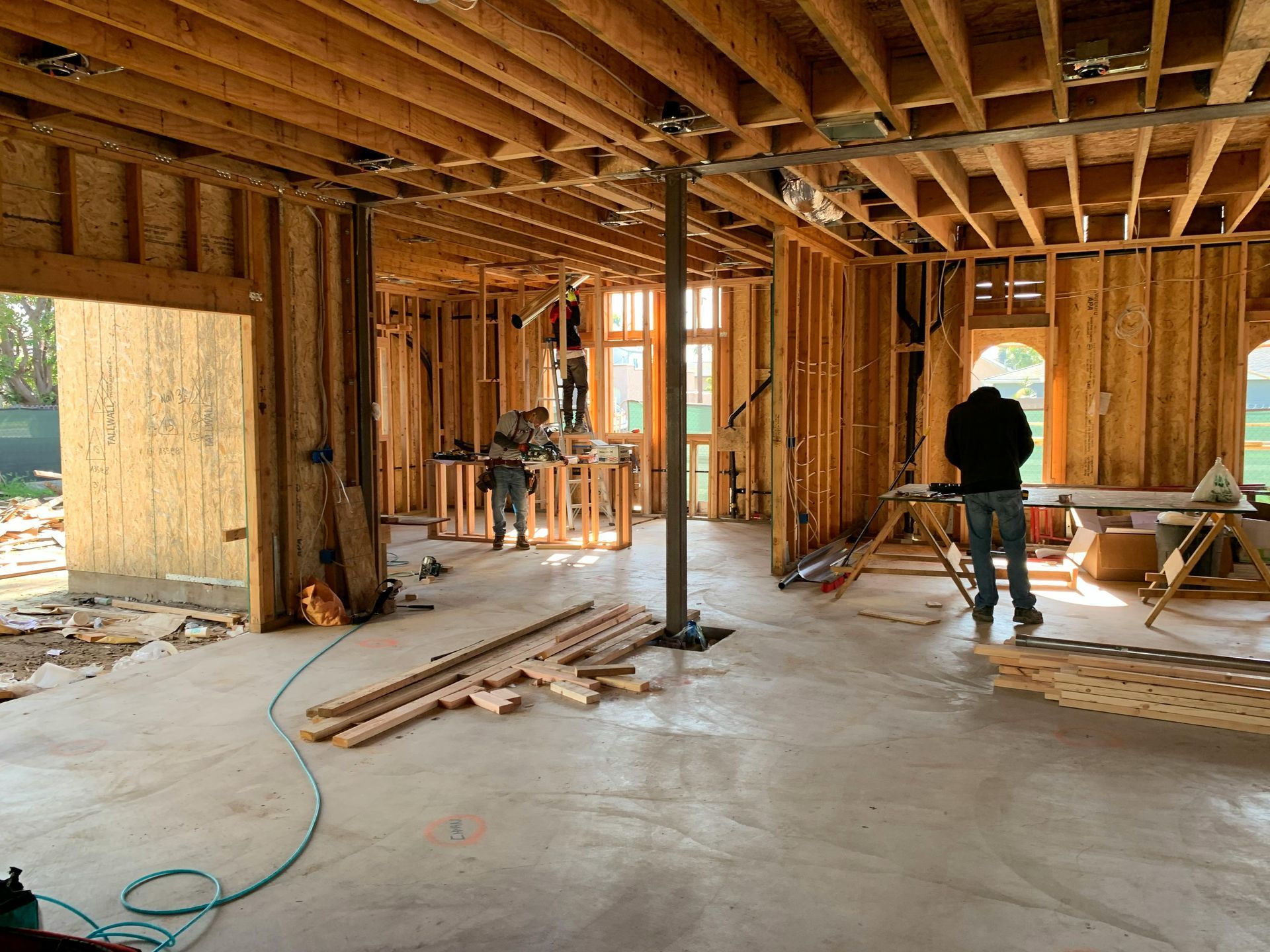
Why New Construction in Florida Requires a Different Financial Strategy
Florida’s housing market has experienced explosive growth in new construction developments, particularly in areas like Port St. Lucie, Palm City, Stuart, and throughout the Treasure Coast. According to recent data from the Florida Home Builders Association, new construction starts have increased significantly as builders work to meet the demand from both relocating families and Florida natives looking for modern homes designed for our unique climate. While buying new construction offers undeniable benefits including energy efficiency, modern floor plans, hurricane-resistant features, and the pride of being the first owner, the financial landscape of purchasing a newly built home operates under completely different rules than buying an existing property. Understanding these differences before you sign your builder contract can literally make or break your home buying experience.
Secret Number One: Builder-Preferred Lenders Are Not Always Your Best Financial Friend
Here’s what happens in almost every new construction sales office across Florida: The enthusiastic sales representative will strongly encourage you to use their preferred lender, often sweetening the deal with incentives like covering closing costs, offering design center credits, or throwing in upgrades like granite countertops or premium flooring. On the surface, this seems like an incredible deal. Why wouldn’t you take thousands of dollars in free upgrades just for using their lender? The answer lies in what they’re not telling you. Builder-preferred lenders know they have a captive audience. Since you’re enticed by the incentives, they may not feel pressured to offer you the most competitive interest rate. Even a quarter-point difference in your interest rate can cost you tens of thousands of dollars over the life of your loan. For example, on a $400,000 mortgage, the difference between a 6.5% rate and a 6.75% rate amounts to approximately $57 more per month, which equals $20,520 over a 30-year mortgage. That’s significantly more than most upgrade incentives offer.
The smarter strategy? Get pre-approved with an independent mortgage broker first. Understand what rate and terms you truly qualify for in the open market. Then, and only then, compare the builder’s lender offer. If the builder’s incentives genuinely outweigh the potential interest rate savings, you can make an informed decision. Many times, an experienced mortgage broker can negotiate with the builder to allow you to use your own financing while still receiving some of the incentives. Builders want to sell homes, and when you approach them armed with your own pre-approval and knowledge of current market rates, you’re negotiating from a position of strength rather than dependency.
Secret Number Two: Your Pre-Approval Timing Could Jeopardize Your Closing
New construction homes in Florida typically take anywhere from six months to over a year to complete, depending on the size of the home, the availability of materials and labor, and the builder’s schedule. Most buyers get pre-approved when they first sign their builder contract, then wait patiently for their home to be built. This is a critical mistake. Mortgage pre-approvals typically expire after 90 to 120 days, and your financial situation can change dramatically during the construction period. Perhaps you changed jobs, opened a new credit card, financed a vehicle, or experienced changes in your income. Any of these factors can affect your mortgage qualification and potentially derail your closing.
The professional approach is to maintain regular contact with your mortgage broker throughout the construction period. Every three to four months, check in to provide updates on your financial situation. About 60 to 90 days before your projected closing date, go through a full re-qualification process. This gives you and your lender time to address any potential issues before they become closing day disasters. I’ve seen too many families show up to their final walkthrough only to discover that a car loan they took out six months earlier has pushed their debt-to-income ratio too high, and now they can’t qualify for their mortgage. The emotional and financial devastation of this scenario is completely preventable with proactive communication.
Secret Number Three: The True Cost of Builder Upgrades Is Hidden in Your Home Price
When you sit in the design center selecting your finishes, upgrades, and options, the prices seem almost reasonable. A few thousand here for better flooring, a few thousand there for upgraded cabinets. What many buyers don’t realize is that every upgrade you select gets added to your base home price, which means you’re financing these upgrades over 30 years with interest. That $5,000 granite countertop upgrade doesn’t actually cost you $5,000. When financed at current mortgage rates over 30 years, you’ll pay approximately $9,600 total for those countertops. Additionally, since your home price increases with each upgrade, you’re also paying more in terms of property taxes and homeowners insurance annually.
A more financially savvy approach is to carefully evaluate which upgrades genuinely add value or would be difficult to change after closing. Structural upgrades, electrical work, plumbing configurations, and built-in features are worth considering during construction because retrofitting them later is expensive or impossible. However, cosmetic upgrades like paint colors, light fixtures, flooring in certain areas, and landscaping can often be done more affordably after closing when you’re not financing them over three decades. Some homeowners even find that they can hire independent contractors to do certain upgrades for less than the builder charges, even when paying cash. Create a priority list: must-have structural items at the top, nice-to-have cosmetics at the bottom, and make informed decisions based on your budget reality, not just the excitement of the moment.
Secret Number Four: Florida’s Appraisal Requirements for New Construction Are Different and Consequential
When you purchase an existing home, the appraisal process is relatively straightforward. An appraiser evaluates the property based on recent comparable sales in the area and provides a valuation. With new construction, the process becomes more complex. Appraisers for new builds must consider the cost approach (what it costs to build the home), the sales comparison approach (what similar homes have sold for), and must also verify that comparable new construction sales support the contract price you’ve agreed to pay. In rapidly developing areas of Florida where new communities are still establishing their value, this can create challenges.
If your appraisal comes in lower than your contract price, you’re in a difficult position. Most builder contracts are not contingent on appraisal, meaning you’re obligated to complete the purchase regardless of the appraised value. Your options become limited: bring additional cash to closing to cover the difference, renegotiate with the builder if they’re willing (which is rare), or potentially lose your earnest money deposit by walking away from the contract. This is why it’s absolutely critical to work with a mortgage professional who understands new construction appraisals in Florida and can help you evaluate whether the builder’s pricing is in line with market reality before you sign anything. Getting a comparative market analysis from a knowledgeable real estate agent before signing your contract can also provide valuable perspective on whether the builder’s pricing is reasonable for the area.
Secret Number Five: Construction Delays Can Create Unexpected Financial Pressure
Florida’s construction industry faces unique challenges including hurricane season disruptions, supply chain issues that have affected material availability, labor shortages in the building trades, and the sheer volume of new construction happening simultaneously across the state. When your builder tells you that your home will be completed in six months, add at least 30 to 60 days to that timeline in your personal planning. Many buyers don’t consider the financial implications of construction delays. If you’re currently renting and gave notice to your landlord based on your builder’s estimated completion date, a delay could leave you scrambling for temporary housing. If you’re selling your current home, delays can create nightmare scenarios where you’ve already closed on your sale but your new home isn’t ready, forcing you into expensive short-term rentals or storage situations.
The financial strategy here involves building cushion into all your plans. Don’t give notice on your rental until your builder provides a certificate of occupancy date in writing. If you’re selling your current home, negotiate a flexible closing date or a rent-back agreement that gives you options if your new construction is delayed. Make sure your mortgage rate lock period aligns with realistic construction timelines. Some lenders offer extended rate locks for new construction specifically because delays are common, though these may come with additional fees. Discuss rate lock strategies with your mortgage broker early in the process so you’re protected if rates rise during construction, but you’re not paying for an unnecessarily long lock period if construction proceeds on schedule.
Secret Number Six: Florida’s Insurance Requirements for New Construction Can Shock Your Budget
Florida homeowners insurance is already more expensive than most states due to our hurricane exposure, and new construction introduces additional considerations that can significantly impact your monthly housing costs. While newer homes often qualify for better insurance rates due to modern building codes, hurricane-resistant features, and updated electrical and plumbing systems, the insurance landscape in Florida has become increasingly challenging. Many buyers focus exclusively on their mortgage payment when budgeting, forgetting that your total housing payment includes property taxes, homeowners insurance, and potentially flood insurance and HOA fees.
For new construction in Florida, you need to address insurance early. Before you even sign your builder contract, consult with insurance agents to get realistic quotes for your planned home. Understand whether the property is in a flood zone requiring federal flood insurance. Determine whether the community’s elevation and drainage systems will affect your rates. Ask about wind mitigation features that could reduce your premiums, such as hurricane-rated windows, reinforced roof attachments, and impact-resistant garage doors. Many Florida builders now construct homes with these features standard, but you need to ensure proper documentation exists to claim these discounts. Your mortgage lender will require you to show proof of insurance before closing, and discovering at the last minute that insurance costs are double what you budgeted can destroy your carefully planned finances. Being proactive about insurance shopping during the construction period gives you time to find the best coverage at the best price, rather than accepting whatever policy you can get quickly in the days before closing.
Secret Number Seven: The Builder’s Warranty Is Not a Substitute for a Professional Home Inspection
Most Florida new construction homes come with builder warranties covering various aspects of the home for different time periods. Typically, you’ll see one year for workmanship and materials, two years for mechanical systems, and ten years for structural defects. Many buyers mistakenly believe this warranty eliminates the need for a professional home inspection before closing. This is a costly assumption. Builder warranties have limitations, exclusions, and often require you to go through lengthy claim processes to get issues resolved. More importantly, once you close on the home and take ownership, proving that a defect existed at the time of closing versus occurred afterward becomes much more difficult.
Investing in a professional home inspection before your final walkthrough gives you documentation of the home’s condition and identifies any construction defects or incomplete work while the builder is still motivated to address them. A thorough inspection typically costs between $400 and $600 for an average home, but can identify thousands of dollars worth of issues. In Florida, specific concerns for new construction inspections include proper HVAC installation and efficiency for our climate, adequate attic ventilation to prevent moisture and heat issues, proper grading and drainage around the foundation to prevent water intrusion during our heavy rains, correct installation of hurricane protection features, and verification that all electrical and plumbing systems meet code. Your inspector’s report gives you documented evidence to request repairs or corrections before closing. Once you close, the leverage shifts entirely to the builder, and warranty claims become your only recourse. Some builders may push back on allowing inspections, but remember that you’re making a significant financial investment and have every right to verify the quality of what you’re purchasing.
Bringing It All Together: Your Action Plan for New Construction Success
Buying a newly constructed home in Florida can be an incredibly rewarding experience when you approach it with the right financial strategy and professional guidance. The key is to treat new construction not as a passive waiting game, but as an active process requiring ongoing financial management and informed decision-making. Start by getting pre-approved with a mortgage broker who has specific experience with Florida new construction purchases. They understand the unique timeline challenges, appraisal considerations, and coordination required with builders. Maintain open communication throughout the construction period, updating your broker on any changes to your financial situation and re-qualifying before your projected closing date. Carefully evaluate builder incentives against true market rates for financing, and don’t be afraid to negotiate. Make strategic decisions about upgrades based on long-term value rather than immediate excitement. Build financial cushion into your plans for potential construction delays and unexpected costs. Research and understand your insurance requirements early, and get multiple quotes during construction. Finally, invest in a professional home inspection to protect your investment and ensure quality.
The families I work with who follow this approach close on their new construction homes with confidence, knowing they’ve secured the best possible financing terms, avoided common pitfalls, and set themselves up for long-term success in their new home. Your journey to new construction homeownership in Florida doesn’t have to be stressful or full of financial surprises. With the right knowledge and professional partnership, you can navigate the process smoothly and move into your dream home knowing you’ve made smart financial decisions every step of the way.
Ready to Make Your Florida New Construction Dreams a Reality with Expert Guidance?
If you’re considering buying a newly constructed home in Florida, particularly in the Treasure Coast area including Port St. Lucie, Stuart, Palm City, or surrounding communities, I invite you to reach out for a no-obligation consultation. Let’s discuss your specific situation, review your financing options, and create a strategic plan that protects your interests throughout the construction process. With over two decades of mortgage experience helping Florida families achieve homeownership, I understand the unique challenges and opportunities in our local market. Don’t leave your new construction purchase to chance or rely solely on what the builder tells you.
Contact me today at 772-444-6362 or email edgar@treasurecoasthomeloans.com to schedule your consultation. Together, we’ll make sure your new construction experience is everything you’ve dreamed of, with none of the nightmares you want to avoid.
Call or text 561-223-9347 or email edgar@treasurecoasthomeloans.com to discuss your loan.
Loan approval is not guaranteed and is subject to lender review of information. All loan approvals are conditional and all conditions must be met by the borrower(s). A loan is only approved when the lender has issued approval in writing and is subject to all lender conditions. Any specified rates and terms are contingent upon loan approval and are subject to change without notice due to unpredictable market conditions. Innovative Mortgage Services, Inc. is a Florida licensed lender. Company NMLS #250769. Originator NMLS # 230414. Florida Mortgage Lender License, License/Registration #: MLD178 Florida. Mortgage Lender Servicer License, License/Registration #: MLD2167 Equal. Equal Housing Lender
Mortgage Broker Port St. Lucie, Florida
Learn More About the Mortgage Process.
Check Out Our Google Verified Reviews



¿Podría Dar 5% de Pago Inicial en Lugar de 3.5% Ayudarte a Calificar Para la Misma Vivienda con FHA?