Your Complete Guide to Financing a Double Wide Mobile Home: What Every Buyer Needs to Know Before Applying for a Mortgage Thinking about purchasing a double wide mobile home?
Share
ou’re not alone. These spacious, affordable housing options have become increasingly popular with first-time homebuyers, retirees, and families looking to maximize their housing budget without sacrificing space or comfort. However, financing a double wide mobile home comes with unique requirements that differ significantly from traditional stick-built homes. Understanding these requirements before you start your home search can save you time, money, and significant frustration during the mortgage process.
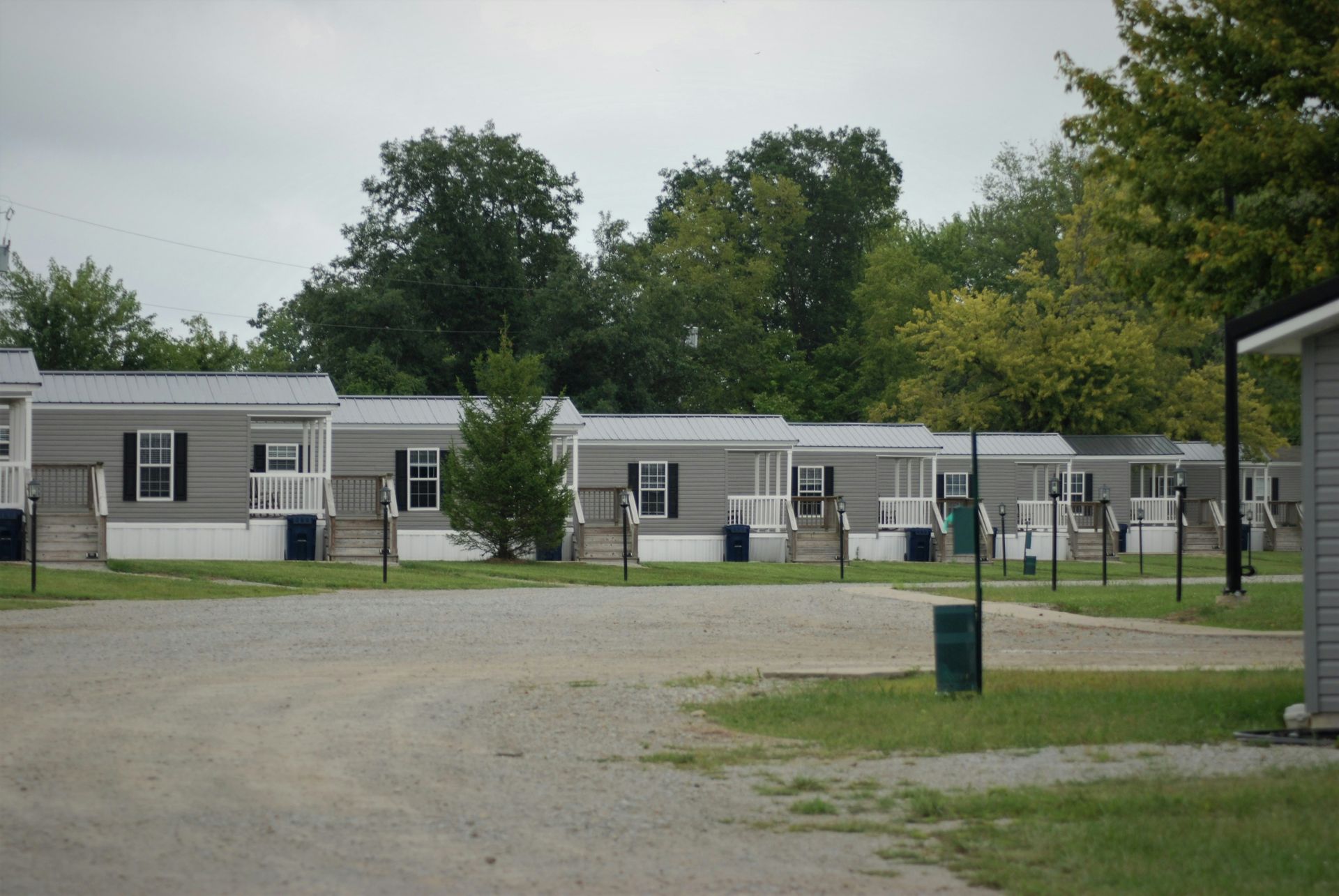
As experienced mortgage brokers, we’ve guided countless clients through the mobile home financing process. The good news is that with proper preparation and knowledge of what wholesale lenders require, securing financing for your double wide mobile home can be straightforward and stress-free. This comprehensive guide will walk you through everything you need to know to ensure a smooth loan process from application to closing.
Understanding the Fundamentals: Real Property vs Personal Property
One of the most critical distinctions in mobile home financing is whether your purchase qualifies as real property or personal property. This classification makes all the difference in your financing options, interest rates, and loan terms. Wholesale lenders that offer conventional financing require that your double wide mobile home be considered real estate, not personal property. This means you must purchase both the land and the mobile home together as a single transaction. You cannot finance a mobile home separately from the land and expect to qualify for traditional mortgage products with competitive rates and terms.
When the mobile home and land are sold together, the property is classified as real estate, which opens the door to conventional financing options including FHA loans, VA loans, USDA loans, and conventional mortgages. These loan products offer significantly better interest rates, longer loan terms, and lower down payment requirements compared to chattel loans, which are used for mobile homes classified as personal property. Working with a knowledgeable local mortgage broker ensures you structure your purchase correctly from the beginning, avoiding costly mistakes that could derail your financing.
The Permanence Requirement: Stationary and Underpinned
Wholesale lenders have strict requirements regarding the permanence of your double wide mobile home. The home must be permanently affixed to the land and cannot be easily moved. This means the wheels, axles, and towing hitch must be removed, and the home must be installed on a permanent foundation system. Simply parking a mobile home on land does not meet lending requirements for conventional financing.
Additionally, your double wide mobile home must be properly underpinned. Underpinning refers to the enclosure of the space between the bottom of the home and the ground. This serves both structural and aesthetic purposes, protecting the underside of the home from weather and pests while giving the home a more permanent, finished appearance. Acceptable underpinning materials typically include vinyl skirting, concrete block, brick, or stucco. The underpinning must be properly ventilated and provide access to utilities beneath the home.
During the appraisal process, the appraiser will specifically verify that the home is permanently affixed and properly underpinned. If these requirements are not met, your loan will not be approved. Many sellers are unaware of these requirements, so working with a mortgage broker who can educate both you and the seller about these necessities before you go under contract is invaluable.
Age Matters: The 1976 Minimum Standard
All double wide mobile homes financed through wholesale lenders must be manufactured in 1976 or newer. This date is significant because 1976 is when the U.S. Department of Housing and Urban Development (HUD) implemented federal construction and safety standards for manufactured homes. Homes built before June 15, 1976, do not meet HUD code requirements and are ineligible for conventional financing through wholesale lenders.
The 1976 requirement ensures that the home meets minimum safety, construction, and durability standards. These standards cover structural design, fire safety, energy efficiency, and overall construction quality. Homes that meet HUD code display a red certification label on the exterior of each transportable section, which we’ll discuss in more detail below. Before falling in love with a particular double wide mobile home, always verify the manufacture date to ensure it meets the minimum age requirement.
The Critical Importance of Legible Identification
Every manufactured home that meets HUD standards has specific identification features that must be present and legible for your loan to be approved. The most important of these is the HUD certification label, a red metal plate permanently affixed to the exterior of each section of the home, typically near the rear. This label contains critical information including the manufacturer’s name, the serial number, the date of manufacture, and certification that the home meets HUD construction standards.
The HUD label must be legible and intact. If the label is missing, damaged, or unreadable, wholesale lenders will not approve your loan. Additionally, each section of your double wide will have a data plate, usually located inside a kitchen cabinet or bedroom closet, which provides detailed information about the home’s specifications and installation requirements. The serial numbers or VIN (Vehicle Identification Number) must also be clearly visible and readable.
Before making an offer on a double wide mobile home, physically verify that all HUD labels are present and legible. Take photographs of these labels for your records. If labels are damaged or missing, it may be possible to obtain replacement labels through the original manufacturer, but this process can be time-consuming and complicated. Working with your mortgage broker to verify these requirements upfront prevents delays and disappointments later in the process.
Title Work: Ensuring Clean Real Estate Transfer
When you purchase a double wide mobile home together with land, the title work becomes more complex than a standard real estate transaction. The mobile home may have originally been titled through the Department of Motor Vehicles as personal property, similar to a vehicle. For the property to qualify as real estate, this mobile home title must be retired and the home must be legally converted to real property.
This process, sometimes called “eliminating the title” or “retiring the title,” involves surrendering the mobile home title to your state’s appropriate agency and ensuring the home is legally recognized as a permanent fixture on the land. Your closing attorney or title company will handle this process, but it’s essential to verify early in the transaction that this can be completed smoothly. Some states have more streamlined processes than others, and complications with title work are a common source of delays in mobile home purchases.
Your mortgage broker will work with the title company to ensure all requirements are met. Any liens against the mobile home must be satisfied, and the title must be clear before closing. This is another reason why working with experienced professionals who understand manufactured home financing is essential to a successful transaction.
Appraisal and Property Condition Requirements
Wholesale lenders require a full appraisal of your double wide mobile home and land, conducted by a licensed appraiser experienced with manufactured homes. The appraiser will verify that all lending requirements are met, including permanent foundation, underpinning, HUD labels, and overall property condition. The home must be in good condition with no significant defects or safety hazards.
Common issues that can derail appraisals include deteriorated skirting, damaged roofing, foundation problems, plumbing or electrical defects, and structural concerns. Any major repairs identified during the appraisal will need to be addressed before closing. Your mortgage broker can help you understand the appraisal process and requirements, and can recommend whether a pre-purchase inspection might be beneficial to identify potential issues before you’re under contract.
The appraised value must also meet or exceed your purchase price for the loan to be approved. Because manufactured homes can face unique valuation challenges depending on the local market, having realistic expectations about value and working with a knowledgeable real estate agent familiar with mobile home sales is beneficial.
Why Working with a Local Mortgage Broker Matters
Navigating the complexities of double wide mobile home financing requires expertise that many traditional lenders simply don’t possess. A local mortgage broker who specializes in manufactured home lending brings invaluable knowledge to your transaction. Your broker can guide you through lender requirements before you start shopping, help you understand which properties will qualify for financing, and work directly with sellers and real estate agents to ensure all requirements are met.
Perhaps most importantly, a mortgage broker has access to multiple wholesale lenders and can find the loan program that best fits your unique situation. Not all wholesale lenders have the same requirements for manufactured homes, and interest rates and terms can vary significantly. Your broker shops your loan to multiple lenders, securing the most competitive rates and terms available for your specific circumstances.
Throughout the process, your mortgage broker serves as your advocate and guide, explaining requirements in plain language, coordinating with all parties involved in your transaction, and troubleshooting any issues that arise. This personalized service and expertise is especially valuable when financing a double wide mobile home, where requirements are more complex than traditional home purchases.
Taking the Next Steps Toward Homeownership
Purchasing a double wide mobile home can be an excellent path to affordable homeownership, offering spacious living areas, modern amenities, and the pride of owning your own home and land. By understanding wholesale lender requirements before you begin your search, you’ll be prepared to find a property that qualifies for financing and avoid common pitfalls that delay or prevent loan approval.
Remember the key requirements: purchase the land and home together, ensure the home is 1976 or newer, verify it’s permanently affixed and properly underpinned, and confirm all HUD labels are present and legible. When you work with an experienced local mortgage broker, you’ll have a trusted partner to guide you through each step of the process, from pre-approval through closing and beyond.
If you’re ready to explore your financing options for a double wide mobile home, contact our team today. We’ll take time to understand your unique situation, explain all available loan programs, and help you navigate the path to successful homeownership. Your dream of owning a beautiful double wide mobile home is within reach, and we’re here to make it happen.
Call or text 561-223-9347 or email edgar@treasurecoasthomeloans.com to discuss your loan.
Loan approval is not guaranteed and is subject to lender review of information. All loan approvals are conditional and all conditions must be met by the borrower(s). A loan is only approved when the lender has issued approval in writing and is subject to all lender conditions. Any specified rates and terms are contingent upon loan approval and are subject to change without notice due to unpredictable market conditions. Innovative Mortgage Services, Inc. is a Florida licensed lender. Company NMLS #250769. Originator NMLS # 230414. Florida Mortgage Lender License, License/Registration #: MLD178 Florida. Mortgage Lender Servicer License, License/Registration #: MLD2167 Equal. Equal Housing Lender
Mortgage Broker Port St. Lucie, Florida
Learn More About the Mortgage Process.
Check Out Our Google Verified Reviews


¿Podría Dar 5% de Pago Inicial en Lugar de 3.5% Ayudarte a Calificar Para la Misma Vivienda con FHA?