
Making an Offer on a House in Florida: The Complete Strategic Home Buyer’s Guide for 2026
Share
Why Most Florida Home Buyers Leave Money on the Table Before They Ever Submit an Offer
Most buyers believe the negotiation begins when they decide on a number.
It doesn’t.
By the time a buyer writes an offer, the strongest negotiators have already done something most buyers skip entirely: they’ve built a complete picture of the seller’s situation, the property’s true market position, and the financial risks specific to that home and that ZIP code.
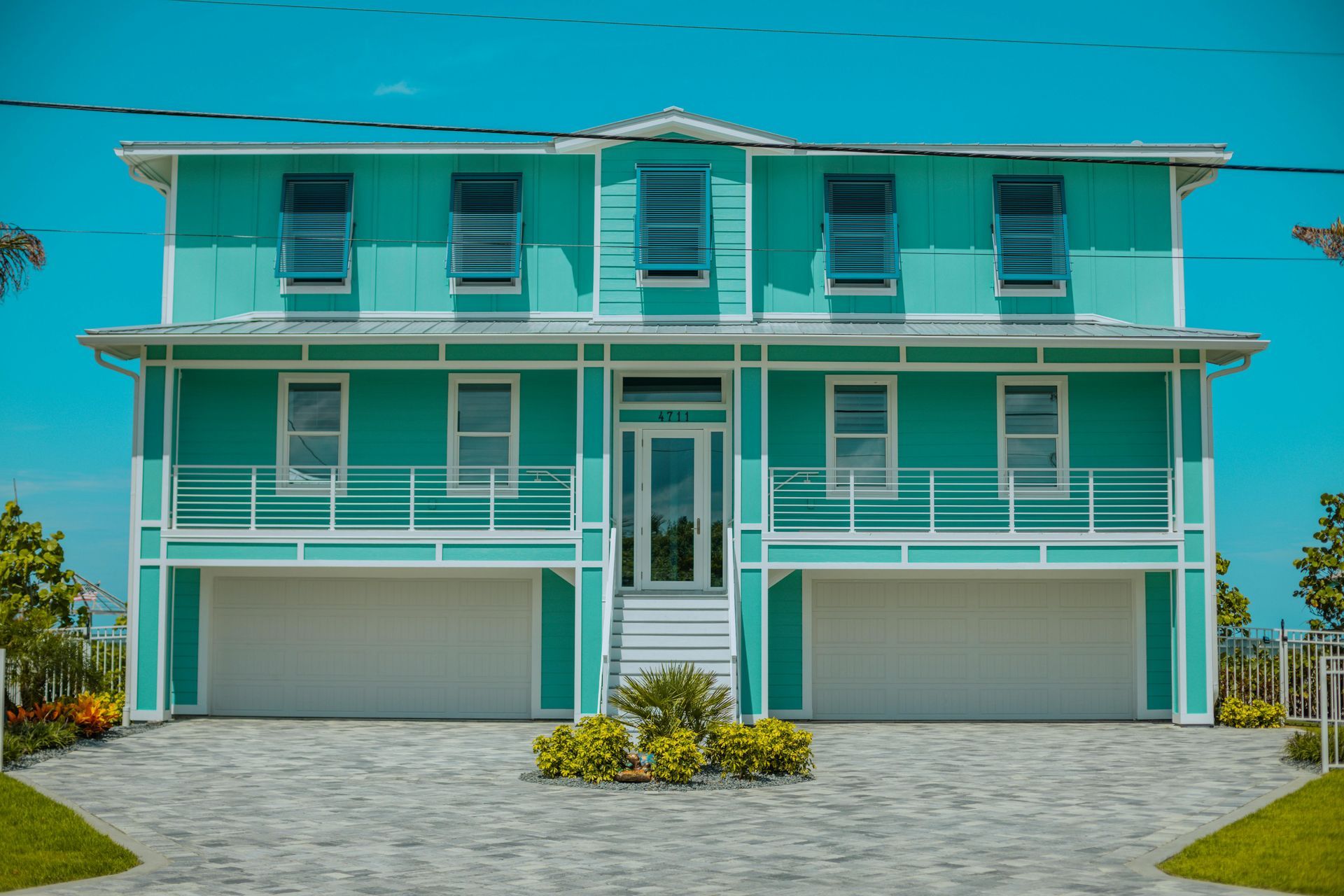
Buyers in Port St. Lucie, Fort Pierce, Stuart, Palm Beach Gardens, Royal Palm Beach, Tampa, and across Florida face a market in 2026 that rewards preparation and punishes emotion. Inventory has shifted unevenly across the state. Insurance costs have restructured what affordability actually means. And sellers have grown more sophisticated about evaluating which offers will actually close.
This guide will not just tell you to “get pre-approved and make a competitive offer.”
You already know that.
This is about the deeper strategy — the decisions that determine whether you win the right home at the right price, or whether you overpay, lose the deal, or close on a property that costs you far more than the purchase price ever suggested.
The Florida Variable That Changes Everything in 2026: Insurance
Before you decide what to offer on any Florida home, you need to understand one thing that most national buyer guides completely ignore.
Homeowners insurance in Florida is not a line item. It’s a financial variable that can make an otherwise affordable home unaffordable.
Florida’s insurance market has experienced significant disruption. Depending on the home’s age, location, construction type, roof condition, and proximity to water, annual premiums can range from under $2,000 to well over $10,000 for the same purchase price.
Before submitting any offer, a strategically prepared buyer asks:
What will insurance actually cost on this specific property?
This means getting a preliminary insurance quote before going under contract — not after.
It means understanding whether the home is in a FEMA flood zone, and if so, what the elevation certificate shows and what NFIP or private flood insurance will add to your monthly payment.
It means knowing whether the roof age or material will trigger coverage exclusions or dramatically higher premiums.
A home priced at $400,000 with $9,500 annual insurance and mandatory flood insurance is a fundamentally different financial decision than a home priced at $415,000 with $2,800 in insurance costs. Most buyers never run this calculation before they fall in love with a property.
The buyers who do run it negotiate from a position of real information.
Understanding What Sellers Actually Fear (And How That Makes You a Stronger Buyer)
Sellers in Florida are not simply hoping for a high number.
They are trying to avoid specific nightmares.
Nightmare 1: The deal falls apart at inspection. Sellers know Florida homes carry unique inspection risk — aging roofs, four-point issues, moisture intrusion, HVAC systems, and plumbing that can generate significant repair demands. A seller who has already mentally moved out of their home dreads relisting.
Nightmare 2: The appraisal kills the deal. In a market with uneven appreciation, sellers worry that an appraisal may not support the agreed price, particularly for renovated or uniquely positioned properties.
Nightmare 3: The financing falls through. This is the most common source of seller anxiety. A buyer who disappears during underwriting — because they changed jobs, financed a car, or had an undisclosed liability — has wasted weeks of the seller’s life.
Nightmare 4: A slow, unpredictable closing. Sellers often have their own purchase under contract. A buyer who cannot perform on time can cause a cascading failure across multiple transactions.
Nightmare 5: Unexpected occupancy complications. Many sellers are simultaneously buyers. The ability to negotiate a leaseback arrangement, flexible closing date, or extended occupancy can be worth thousands of dollars to the right seller.
Understanding which nightmare is most relevant to your seller changes how you structure your offer entirely.
Three Numbers You Must Know Before You Write Anything
The most emotionally disciplined buyers operate with a framework before they ever walk into a showing.
Number One: Your Ideal Offer
The price and terms you would be genuinely pleased to have accepted. Not aggressive lowball. Not emotional ceiling. The number that reflects the property’s market value, your research, and what a smart transaction looks like.
Number Two: Your Realistic Walk-In Number
In a competitive situation, where does it make financial sense to open? Not so low you insult the seller and lose goodwill. Not so high you’ve already given away negotiating room before the conversation starts.
Number Three: Your Absolute Walk-Away Price
The number beyond which you will not go — and you mean it. This is not a bluff. This is a commitment you make to yourself before emotion enters the room. It is based on what the property is worth to your long-term financial health, not on what it takes to win the deal.
Buyers who have not defined their walk-away number before submitting an offer are vulnerable to a process called bid escalation, where each counter feels like “just a little more” until the final number no longer makes financial sense.
The time to establish that ceiling is before you ever see the counters.
Reading the Real Market: What List Price Doesn’t Tell You
List price is a seller’s opinion.
Comparable sales are facts.
Florida buyers operating in markets like Port St. Lucie’s 34953 zip code versus Stuart’s riverfront properties versus Palm Beach Gardens’ HOA communities are operating in completely different micro-markets — often within 20 minutes of each other.
What sophisticated buyers analyze before submitting an offer:
Days on Market (DOM): A home that has been sitting for 60+ days in a neighborhood where similar homes sell in 14 days is communicating something. Either the price is wrong, the condition is wrong, or the seller’s expectations are wrong. All three create negotiating room.
Price Reduction History: A seller who has already reduced once has shown willingness to move. Two reductions often signals real motivation. Understanding the gap between original list and current list tells you something about where the seller started and where their psychology currently sits.
Expired and Relisted Properties: Florida MLS data can sometimes show when a property was previously listed under a different MLS number. A home that expired, was taken off market, and relisted is a motivated seller wearing a fresh listing’s clothes.
Absorption Rate: How many homes are selling per month versus how many are listed? A 6-month supply is generally considered balanced. Higher supply favors buyers. Lower supply favors sellers. In some Florida markets in 2026, these numbers vary dramatically even between adjacent ZIP codes.
Cash Comparable Sales: If similar homes have been selling to cash buyers, those comparable sales may not translate directly to financed transactions. Appraisers account for market conditions, but the spread between cash-market pricing and financed-market pricing can create appraisal gap risk.
The Complete Anatomy of a Strong Florida Offer
Buyers who understand that an offer is a package — not just a number — make fundamentally stronger decisions.
Purchase Price
This is the obvious piece. But price does not exist in isolation. A lower price with fewer contingencies may outperform a higher price with more risk. A higher price with a seller concession request may net out the same as a lower clean offer. Price is one variable among many.
Earnest Money Deposit
In Florida, the standard EMD conversation often starts around 1% of purchase price, but in competitive situations, 2–3% (or more on higher-priced properties) signals genuine commitment. A larger earnest money deposit tells a seller that this buyer has real skin in the game and is not making casual offers across multiple properties.
Closing Date
Does the seller have a target date? Many do. A buyer whose lender can reliably close in 21–25 days — and communicate that credibly — has a meaningful advantage over a buyer whose lender needs 45–50 days. On the flip side, some sellers need more time to vacate. A flexible buyer who can accommodate 60 days may be more attractive than a faster closing that creates logistical stress.
Financing Type and Strength of Pre-Approval
There is a significant difference between a pre-qualification letter (an opinion based on self-reported information) and a fully underwritten pre-approval (a conditional commitment based on verified income, assets, and credit). Sellers and listing agents know the difference. A fully underwritten pre-approval, or a loan commitment letter, dramatically reduces the perceived risk of financing contingencies.
Inspection Period
Florida contracts typically allow for a general inspection period. The length and terms matter. A buyer who negotiates a shorter inspection window (when appropriate) and who communicates their intent to proceed unless a material defect is found signals seriousness. This does not mean waiving inspection rights — waiving inspections in Florida creates significant risk given the state’s unique property condition issues. It means structuring the inspection conversation strategically.
Appraisal Contingency
In competitive markets, some buyers offer to cover an appraisal gap up to a specific dollar amount. This tells the seller: even if the appraisal comes in slightly below contract price, this buyer will bridge the difference with cash. This is a meaningful concession — and a meaningful risk. Only make this commitment if you actually have the liquidity to execute it.
Seller Concessions
Requesting seller-paid closing costs is not a sign of weakness when structured correctly. A buyer offering full asking price with a $10,000 closing cost concession is netting a different effective price than asking price without concessions. In markets where sellers need their number for psychological or financial reasons, structuring a concession request cleanly — at the right price — can achieve the same financial outcome as a lower offer that a seller might reject emotionally.
HOA and Special Assessment Disclosure
Florida has a substantial HOA landscape. Before submitting an offer on any property in an HOA community, buyers should request current meeting minutes, financials, and pending special assessments. A $250/month HOA with a $15,000 pending roof assessment that you didn’t know about at time of offer changes your financial picture materially.
The Appraisal Gap Problem in Florida’s Uneven Market
Here is what most buyer guides tell you about appraisals: if it comes in low, you can renegotiate.
Here is what they don’t tell you: in some Florida markets, appraisals have consistently lagged market appreciation because comparable sales data sometimes doesn’t keep pace with rapidly moving neighborhoods.
This creates a specific strategic challenge.
If you’re purchasing in a market where appreciation has been strong and inventory tight, you need to enter the contract with a clear plan for three scenarios:
Scenario A — Appraisal hits or exceeds contract price. No issue. Proceed to closing.
Scenario B — Appraisal comes in $10,000–$30,000 below contract price. You need to decide in advance: will you bring additional cash? Will you attempt to renegotiate? Will you challenge the appraisal with better comparable sales data? Appraisals can be challenged — and sometimes successfully — if the buyer’s agent can provide legitimate comparable sales the appraiser missed.
Scenario C — Appraisal comes in significantly below contract price. This is the scenario buyers most often fail to plan for. If the gap is substantial and neither party is willing to bridge it, the transaction typically unwinds. This is not a crisis if you had a real walk-away number. It is a crisis if you had already told your family you were moving.
The strategic lesson: never offer a price you couldn’t rationalize defending to an appraiser.
Multiple Offer Situations: What Actually Wins
When a listing agent tells you there are multiple offers, the instinct is to simply offer more money.
Sometimes that is the right move.
Often it isn’t the only move.
What sellers and their agents actually evaluate in a multiple offer situation:
Strength and clarity of financing. A buyer with a fully underwritten approval from a lender known for closing on time often beats a buyer with a higher number and an unknown lender letter.
Escalation clauses. Some buyers submit an escalation clause — an offer that automatically increases in stated increments above competing offers, up to a cap. These can be effective but also transparent. Some sellers appreciate the certainty. Others find them impersonal or use them as a floor for further negotiation.
Inspection structure. A buyer who offers a “right to inspect, right to cancel for material defects only” approach — rather than an open-ended repair request period — may be more attractive to sellers who fear buyers backing out for minor issues.
Personal letters. Controversial and increasingly complicated under fair housing guidelines, but in the right situation a personal letter from a buyer can differentiate an offer at the human level. If you use one, keep it focused on the home and your vision for it — not personal demographics.
Speed of response. Listing agents notice when buyers respond quickly and communicate clearly. The message it sends about how the rest of the transaction will go is not trivial.
The Florida Inspection Conversation: Strategy, Not Just Discovery
A home inspection in Florida is not just a checklist exercise.
It is a strategic moment in the transaction.
What a Florida inspection should always cover:
Four-point inspection items: roof, electrical, plumbing, and HVAC. Insurance underwriters in Florida often require a four-point inspection separately from the general inspection, and the findings directly affect insurability and premium.
Wind mitigation inspection: A wind mitigation report documents features of the home’s construction that may qualify for insurance discounts. In Florida, this can represent hundreds or even thousands of dollars annually in premium savings. Buyers should request the seller’s existing wind mitigation report if one exists, and commission their own if not.
Moisture and mold: Florida’s humidity creates conditions that can accelerate moisture intrusion behind walls, under flooring, and in attic spaces. A general inspection should include a moisture meter assessment. If anything flags, a mold inspection may be warranted.
Seawall and dock conditions (where applicable): Coastal and waterfront properties in the Treasure Coast and Palm Beach areas require evaluation of seawall integrity. Seawall replacement is extraordinarily expensive — often $500–$1,000 per linear foot or more.
Chinese drywall: While largely addressed in most markets, homes built between 2001 and 2009 in certain areas may still carry this risk. A competent Florida inspector will know the indicators.
Once the inspection is complete, the negotiation continues.
Repair requests should be prioritized by: safety hazards, structural issues, and items that will affect insurability or financing. Minor cosmetic items, deferred maintenance, and “nice to haves” are negotiating chips, not demands.
Sellers are not obligated to fix everything. But buyers are not obligated to accept conditions that materially differ from what was represented. The conversation that happens between inspection and response deadline is often where the real deal gets made or broken.
What Happens After Acceptance: The Phase Most Buyers Aren’t Prepared For
Acceptance of your offer is not the finish line.
It is the starting line of a second, completely different process — and the decisions you make during this phase can preserve or destroy the deal.
What happens in the post-acceptance phase:
Title search and title insurance commitment. Title issues — liens, boundary disputes, unpaid HOA balances, prior owner judgments — are not uncommon in Florida. Your title company will research the chain of title and issue a commitment. Read it. Ask your agent or attorney about any exceptions.
Homeowners association review. Florida law gives buyers a right to review HOA documents after contract execution. This review window is important. HOA financials, meeting minutes, pending litigation, and reserve fund balances all tell you something about the health of the community you’re joining.
Appraisal. Ordered by the lender. Conducted by an independent appraiser. Results arrive typically 7–14 days after the order is placed.
Underwriting review. Even buyers with strong pre-approvals go through final underwriting. This is where lenders re-verify employment, review assets, and confirm nothing material has changed since pre-approval.
What to absolutely avoid after going under contract:
Opening new credit accounts. Any new inquiry or new account can trigger a re-pull of credit and change your debt-to-income ratio.
Financing large purchases. A new car, furniture, appliances — all of these create liabilities that may not have existed when your pre-approval was issued.
Changing employment. Especially transitioning from W-2 to self-employed or changing industries. Income that was documentable becomes complex to verify.
Moving large sums of money between accounts. Underwriters will ask you to “source” large deposits. If you can’t document where the money came from, it may not be counted as eligible funds.
The buyers who close cleanly on their purchase are the ones who treated the post-acceptance phase with the same discipline as the offer phase.
How to Win Without Becoming House Poor in Florida
Florida homeownership carries costs that buyers from other states consistently underestimate.
Beyond the mortgage payment, a complete monthly housing cost picture in Florida includes:
Homeowners insurance (which may include a wind/hurricane policy component as a separate premium)
Flood insurance (required for any property in a SFHA Special Flood Hazard Area, and often advisable even outside mandatory zones)
HOA dues (ranging from nominal to substantial, and sometimes including separate CDD — Community Development District — assessments that function like a second tax bill)
Property taxes (Florida offers homestead exemption for primary residences, which caps annual assessment increases, but only after the first year — which is calculated on the sale price)
The strongest buyers build their monthly budget including all of these before they decide what purchase price they can comfortably support. Not what the lender says they qualify for. What your actual life looks like month to month when the mortgage, insurance, taxes, and HOA are all going out.
There is a meaningful difference between qualifying for a $450,000 purchase and comfortably affording a $450,000 purchase in Florida in 2026.
The buyers who build in a buffer — for maintenance, unexpected repairs, and the rhythms of life — are the ones who describe homeownership as a great decision five years later.
The Bottom Line: Preparation Is the Strongest Offer You Can Make
The buyers who consistently win the right homes at the right prices are not the richest buyers.
They are the most prepared.
They understand what the market is actually doing — not what the headlines say.
They understand what the seller actually needs — not just what the listing says.
They understand what the home will actually cost to own — not just what it costs to purchase.
And they make decisions based on long-term financial confidence rather than short-term competitive emotion.
The offer you submit is the result of all of that preparation.
Make it count.
Your Next Step
If you’re preparing to buy a home in Port St. Lucie, Fort Pierce, Stuart, Palm Beach Gardens, Royal Palm Beach, Tampa, or anywhere in Florida, understanding your true financing position before you ever submit an offer changes every conversation you’ll have with sellers and agents.
Call or text: 561-223-9347
Email: Edgar@TreasureCoastHomeLoans.com
The strongest offers come from the most prepared buyers.
Loan approval is not guaranteed and is subject to lender review of information. All loan approvals are conditional and all conditions must be met by the borrower(s). A loan is only approved when the lender has issued approval in writing and is subject to all lender conditions. Any specified rates and terms are contingent upon loan approval and are subject to change without notice due to unpredictable market conditions.
Innovative Mortgage Services, Inc. is a Florida licensed lender.
Company NMLS #250769
Originator NMLS #230414
Florida Mortgage Lender License
#MLD178
Florida Mortgage Lender Servicer License #MLD2167
Equal Housing Lender
Call or text 561-223-9347 or email edgar@treasurecoasthomeloans.com to discuss your loan.
Loan approval is not guaranteed and is subject to lender review of information. All loan approvals are conditional and all conditions must be met by the borrower(s). A loan is only approved when the lender has issued approval in writing and is subject to all lender conditions. Any specified rates and terms are contingent upon loan approval and are subject to change without notice due to unpredictable market conditions. Innovative Mortgage Services, Inc. is a Florida licensed lender. Company NMLS #250769. Originator NMLS # 230414. Florida Mortgage Lender License, License/Registration #: MLD178 Florida. Mortgage Lender Servicer License, License/Registration #: MLD2167 Equal. Equal Housing Lender
Mortgage Broker Port St. Lucie, Florida
Learn More About the Mortgage Process.
Check Out Our Google Verified Reviews





¿Podría Dar 5% de Pago Inicial en Lugar de 3.5% Ayudarte a Calificar Para la Misma Vivienda con FHA?