Under Contract! Now What? The Complete Week-by-Week Florida Home Buyer’s Guide from Contract to Closing
Share
Congratulations.
The seller accepted your offer.
For most buyers, this is one of the most exciting moments of the entire home-buying journey.
You begin imagining where the furniture will go.
You start planning moving day.
Friends begin asking when you’ll get the keys.
It feels like the hard part is over.
In reality, you’ve just crossed the starting line of an entirely different race.
Between the day your offer is accepted and the day you receive the keys, dozens of professionals begin working behind the scenes.
Your Realtor.
Your mortgage lender.
The loan processor.
The underwriter.
The home inspector.
The appraiser.
The insurance agent.
The title company.
The closing agent.
Each has a specific responsibility.
Each has deadlines.
Each depends on information from someone else.
Understanding what happens during this period helps buyers reduce stress, avoid surprises, and make better decisions throughout the transaction.
Whether you’re purchasing in Royal Palm Beach, West Palm Beach, Palm Beach Gardens, Boynton Beach, Port St. Lucie, Stuart, Fort Pierce, or anywhere else in Florida, this guide will walk you through every major milestone.
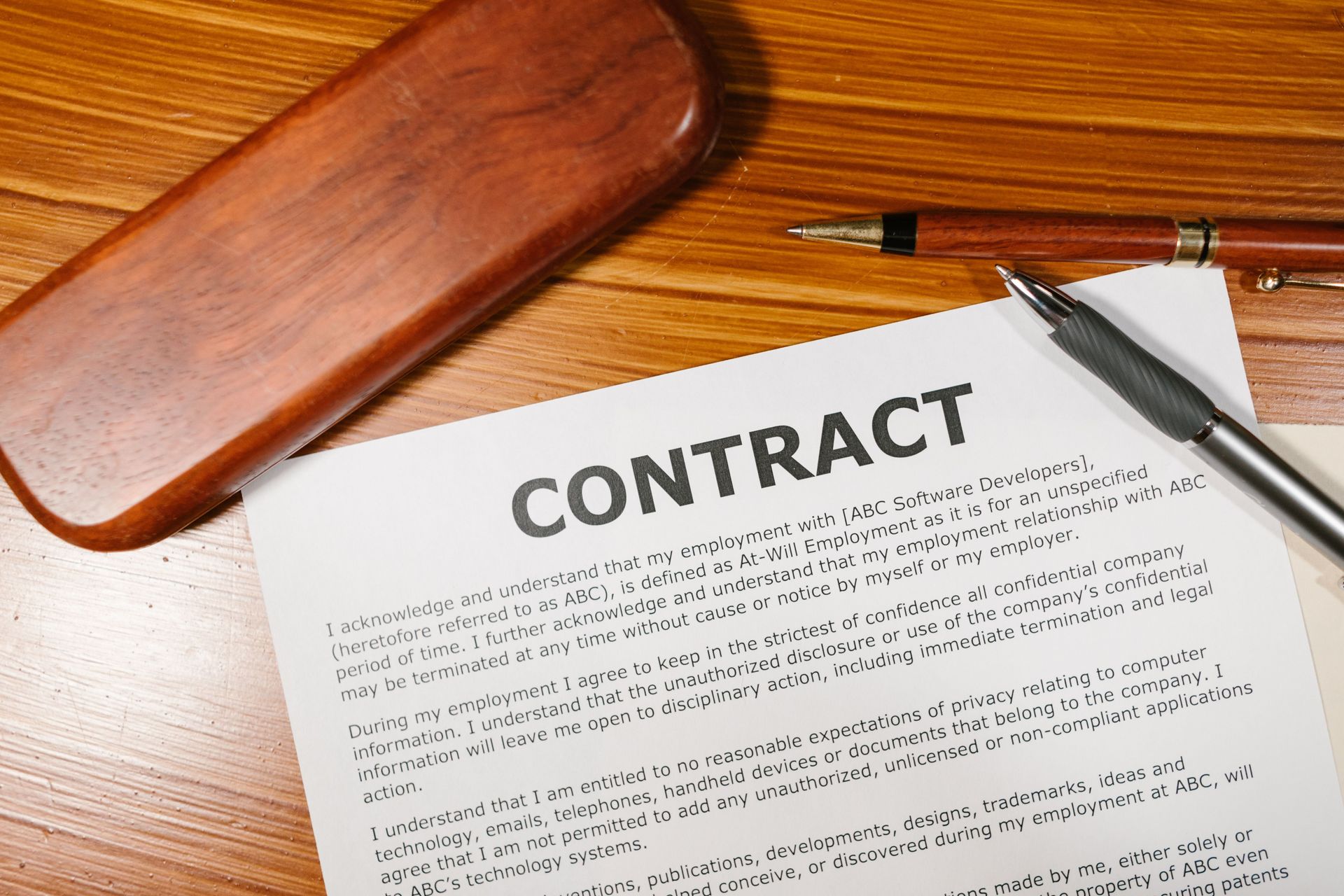
Your Purchase Contract Becomes the Roadmap
Once everyone signs the purchase contract, the document becomes the blueprint for the transaction.
Inside that contract are important deadlines that affect nearly every step moving forward.
These often include:
• Earnest money deposit deadline.
• Inspection period.
• Financing contingency.
• Appraisal contingency.
• HOA document review period (when applicable).
• Closing date.
Missing one of these deadlines can have serious consequences.
This is why your Realtor and lender immediately begin organizing the next steps.
Week One: Building the Foundation
The first week is one of the busiest parts of the transaction.
Many things happen simultaneously.
Earnest Money Deposit
Your earnest money deposit demonstrates your commitment to purchasing the property.
The funds are generally held in escrow by the title company or another party identified in the contract.
This money is not an additional fee.
It is typically credited toward your down payment or closing costs at closing.
The important part is meeting the contractual deadline.
Your Mortgage File Begins Moving
Although you’ve already been pre-approved, your loan now enters the next phase.
Your lender begins collecting and reviewing documentation specific to the property.
Examples include:
• Executed purchase contract.
• Property information.
• Updated financial documents if necessary.
• Initial disclosures.
• Loan application updates.
Your loan processor begins organizing your file so it can eventually be submitted to underwriting.
Think of the processor as the project manager for your mortgage.
Their job is to help make sure every required document is complete before the underwriter performs a detailed review.
Homeowners Insurance Shopping
One mistake many buyers make is waiting until the last minute to obtain homeowners insurance.
Florida’s insurance market is unique.
Premiums can vary significantly depending on:
• Roof age.
• Construction type.
• Wind mitigation features.
• Flood exposure.
• Prior claims.
• Location.
Two homes with similar purchase prices can have dramatically different insurance costs.
Shopping early allows time to compare coverage, ask questions, and avoid unnecessary delays.
Week One: The Home Inspection
One of the most important events during the transaction is the home inspection.
A home inspector is evaluating the condition of the property—not determining whether you should buy it.
Every home has imperfections.
Even new construction.
The goal is to understand:
What works?
What needs maintenance?
What requires repair?
What may require replacement in the future?
In Florida, inspections often receive additional attention because of our climate.
Common areas include:
• Roof condition.
• HVAC system.
• Plumbing.
• Electrical systems.
• Moisture intrusion.
• Windows and doors.
• Structural observations.
Depending on the property, buyers may also order specialized inspections.
Examples include:
• Four-point inspection.
• Wind mitigation inspection.
• Mold inspection.
• Sewer scope.
• Pool inspection.
• Seawall inspection.
Not every property requires every inspection.
Your Realtor can help determine which inspections are appropriate for the home you’re purchasing.
Understanding Four-Point and Wind Mitigation Inspections
Many buyers relocating to Florida have never heard of these inspections.
A four-point inspection evaluates four primary systems:
• Roof.
• Electrical.
• Plumbing.
• HVAC.
Insurance companies often use this information when determining insurability.
A wind mitigation inspection evaluates features designed to reduce hurricane damage.
Homes with favorable wind mitigation characteristics may qualify for meaningful insurance discounts.
Understanding these inspections early helps buyers avoid surprises later in the process.
Negotiating Repairs
After inspections are complete, buyers and sellers may negotiate repairs, credits, or other solutions depending on the contract.
Not every issue requires negotiation.
Cosmetic imperfections are different from safety concerns.
Normal wear differs from significant defects.
A productive negotiation focuses on material issues that affect safety, functionality, financing, or insurability.
The objective is not to create a perfect home.
The objective is to understand the home you’re purchasing and make informed decisions.
Title Work Begins
While inspections are occurring, the title company begins another critical responsibility.
Researching ownership history.
The title company verifies that the seller has the legal right to sell the property and searches for issues that may need to be resolved before closing.
Examples include:
• Outstanding liens.
• Unpaid property taxes.
• Judgments.
• Recording errors.
• Ownership disputes.
• Easements.
• Boundary concerns.
Most transactions proceed without major issues.
When problems are discovered, identifying them early provides time to resolve them before closing.
Ordering the Appraisal
Your lender typically orders the appraisal shortly after the contract is received.
An appraisal is not the same as a home inspection.
The inspector evaluates condition.
The appraiser estimates market value.
The appraiser considers factors such as:
• Comparable recent sales.
• Property condition.
• Size.
• Features.
• Location.
• Market trends.
The lender uses the appraisal to help determine whether the property’s value supports the loan amount.
If the appraisal supports the purchase price, the transaction generally continues as planned.
If it comes in lower than expected, there may be additional conversations between the buyer, seller, Realtor, and lender regarding available options.
We’ll discuss those scenarios in Part 2.
HOA Documents Begin Their Review
If the property is located in a homeowners association, this is also when buyers begin reviewing HOA documents.
Those documents may include:
• Governing documents.
• Rules and regulations.
• Financial statements.
• Reserve information.
• Meeting minutes.
• Insurance information.
• Budget.
This review is one of the most overlooked opportunities for buyers to understand the community they’re joining—not just the home they’re purchasing.
As discussed in our previous HOA guide, a financially healthy association can help protect long-term ownership, while an unhealthy one can create unexpected financial obligations.
Communication Is Everything
One of the biggest reasons transactions become stressful isn’t because something went wrong.
It’s because communication broke down.
During this first phase, expect to hear from multiple professionals.
Responding quickly to requests for documents or signatures helps keep your file moving smoothly.
Remember:
Every day your processor is waiting for documentation…
The underwriter is waiting.
The title company may be waiting.
The closing department may be waiting.
Momentum matters.
Coming Tomorrow in Part 2
In Part 2 we’ll walk through what happens after your file reaches underwriting, including:
• Conditional loan approval.
• What underwriters are actually looking for.
• Common conditions buyers receive.
• Employment verification.
• Appraisal challenges.
• Insurance approval.
• The Closing Disclosure.
• Wire fraud protection.
• Final walkthrough.
• Closing day.
• Receiving your keys.
By understanding each step before it happens, you’ll move through the process with greater confidence and fewer surprises.
Call or Text:
Email:
Edgar@TreasureCoastHomeLoans.com
Loan approval is not guaranteed and is subject to lender review of all provided information. All loan approvals are conditional and subject to satisfaction of lender requirements. Programs, rates, terms, underwriting guidelines, credits, incentives, and availability are subject to change without notice. Eligibility depends upon borrower qualifications, property characteristics, and program availability at the time of application.
Innovative Mortgage Services, Inc. is a Florida licensed lender.
Company NMLS #250769
Originator NMLS #230414
Florida Mortgage Lender License #MLD178
Florida Mortgage Lender Servicer License #MLD2167
Equal Housing Lender.
Call or text 561-223-9347 or email edgar@treasurecoasthomeloans.com to discuss your loan.
Loan approval is not guaranteed and is subject to lender review of information. All loan approvals are conditional and all conditions must be met by the borrower(s). A loan is only approved when the lender has issued approval in writing and is subject to all lender conditions. Any specified rates and terms are contingent upon loan approval and are subject to change without notice due to unpredictable market conditions. Innovative Mortgage Services, Inc. is a Florida licensed lender. Company NMLS #250769. Originator NMLS # 230414. Florida Mortgage Lender License, License/Registration #: MLD178 Florida. Mortgage Lender Servicer License, License/Registration #: MLD2167 Equal. Equal Housing Lender
Mortgage Broker Port St. Lucie, Florida
Learn More About the Mortgage Process.
Check Out Our Google Verified Reviews


¿Podría Dar 5% de Pago Inicial en Lugar de 3.5% Ayudarte a Calificar Para la Misma Vivienda con FHA?