“Moving to Florida from Out of State: The Complete Mortgage & Home Buying Guide”
Share
The Florida Dream That Almost Died in Underwriting: What Every Family Moving to Port St. Lucie, Royal Palm Beach, and Fort Pierce Needs to Know Before Selling Their Home Up North

A family from New Jersey listed their home in March, accepted an offer in April, and planned to close in May before moving to their new home in Port St. Lucie. They assumed getting a Florida mortgage would be straightforward since they had excellent credit, stable income, and significant equity from their New Jersey sale. In June, three days before their planned move, their lender denied their mortgage application. The issue? Their employer couldn’t verify continued remote work approval for Florida residency, their New Jersey home closing was delayed by buyer financing issues, and they hadn’t established any Florida residency documentation. They lost their earnest money, paid for a moving truck they couldn’t use, and spent another four months renting in New Jersey before finally closing on a Florida home in October after properly structuring their relocation and mortgage timeline.
Meanwhile, another family relocating from New York to Royal Palm Beach started working with Florida’s #1 mortgage broker six months before their planned move. They coordinated their New Jersey sale timing with their Florida purchase, obtained clear employer documentation about remote work arrangements, structured their mortgage to close using their home sale proceeds without gaps, and moved seamlessly into their new home exactly on schedule. The difference between these experiences wasn’t luck or financial capacity. It was understanding how relocating to Florida from another state creates unique mortgage challenges that don’t exist for local buyers, what documentation lenders require for out-of-state employment verification, how to time your existing home sale with your Florida purchase, and which loan programs work best for families moving to the Treasure Coast.
Why Moving to Florida Changes Your Mortgage Qualification
Relocating to Port St. Lucie, Fort Pierce, or Royal Palm Beach from another state isn’t just about finding a home you love in your new location. It fundamentally changes how lenders evaluate your mortgage application because several core underwriting factors become more complex when you’re moving across state lines. Employment verification becomes substantially more complicated when you’re working remotely for an out-of-state employer or transferring to a Florida office. Lenders need written confirmation that your employment will continue after your move, that your compensation won’t change significantly, and that your employer approves of your Florida residency.
Income documentation may require additional verification if you’re switching from W-2 employment in your current state to 1099 contractor status for tax purposes after moving to Florida. Many employers convert remote employees to independent contractors to avoid multistate payroll complications, which changes how lenders calculate your qualifying income. Down payment source verification becomes critical when you’re selling a home in another state and using proceeds for your Florida purchase. Lenders must carefully document the timing and amount of your sale proceeds to ensure funds are available when needed for your Florida closing.
Your debt-to-income ratio can shift dramatically during relocation if you’re carrying two mortgages temporarily during the transition, paying for temporary housing while waiting for your home to sell, or managing moving expenses and duplicate household costs during the overlap period. Florida’s insurance costs often surprise families relocating from states with lower homeowners insurance premiums. What you paid for insurance in Ohio or New York bears no relationship to what you’ll pay in Fort Pierce or Royal Palm Beach, and these higher costs affect your monthly payment and qualification.
The Employment Verification Challenge for Remote Workers
The surge in remote work since 2020 has made Florida an attractive relocation destination for families who can work from anywhere, but mortgage underwriting hasn’t fully adapted to this new reality. Lenders remain cautious about approving mortgages for borrowers whose employment might be disrupted by relocation. If you’re relocating to Port St. Lucie while continuing to work remotely for your Massachusetts employer, your lender will require written verification from your employer explicitly stating that you’re approved to work remotely from Florida, that your position and compensation won’t change due to your relocation, and that there’s no anticipated end date to your remote work arrangement.
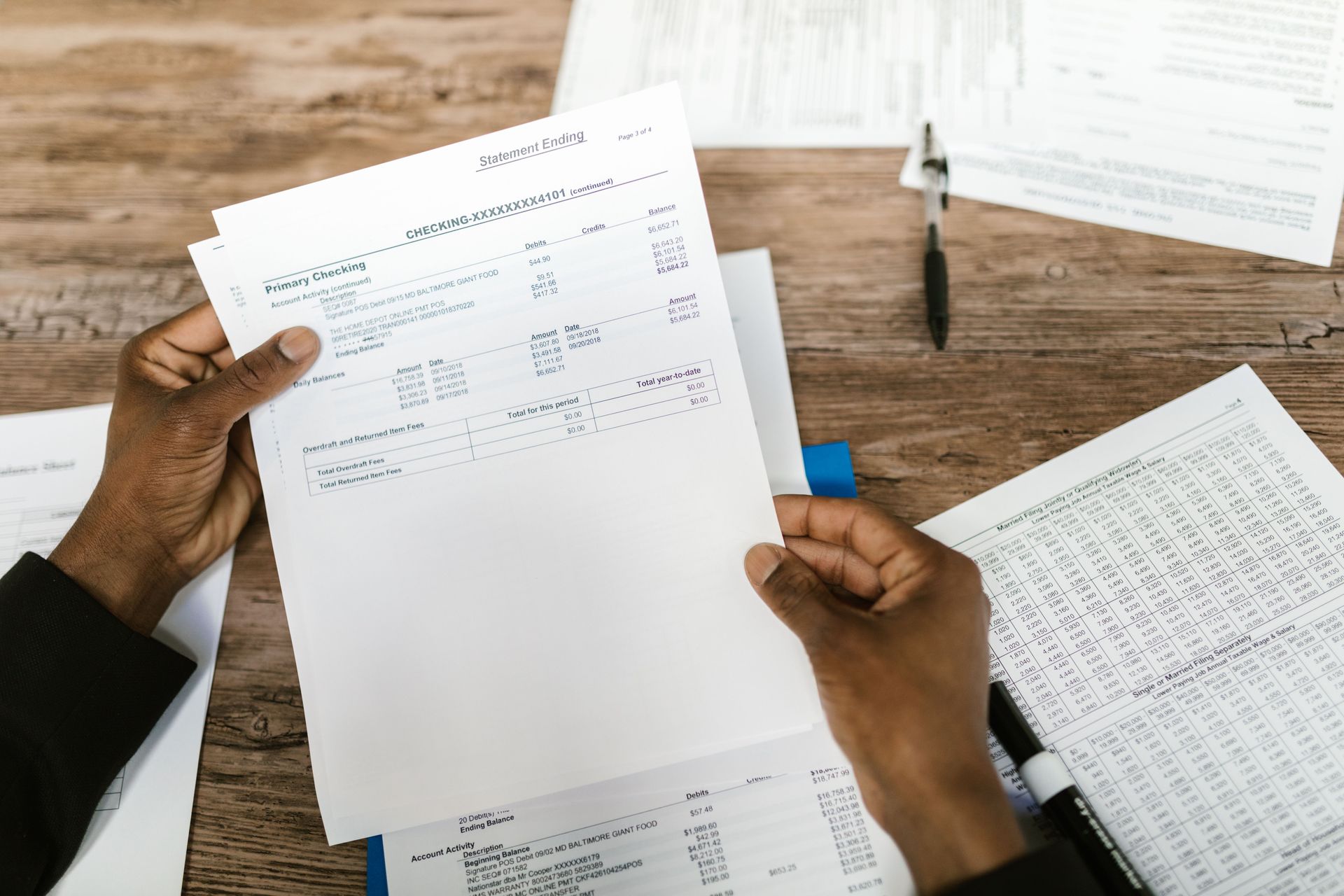
A generic letter from HR won’t suffice. Your employer verification must be on company letterhead, signed by an authorized representative, and specifically address your Florida relocation. Many companies have formal remote work policies that need to be referenced in the verification letter. If your employer doesn’t have experience providing these letters, your mortgage broker can provide a template showing exactly what lenders need to see. For families where one spouse is transferring to a Florida office while the other continues remote work for an out-of-state employer, you’ll need employment verification for both positions documenting that both income sources will continue.
If you’re self-employed or own your own business, you’ll need to demonstrate that your business can operate successfully from your new Florida location. For online businesses or consulting practices, this is usually straightforward. For businesses with physical locations or local customer bases, you may need additional documentation showing how you’ll maintain revenue after relocating. Lenders worry that self-employed borrowers might experience income disruption during relocation, so having 6-12 months of business reserves strengthens your application.
Timing Your Home Sale with Your Florida Purchase
The coordination between selling your current home and buying in Royal Palm Beach or Fort Pierce is the most complex aspect of interstate relocation. Getting this timing wrong creates expensive problems including bridge loans with high interest rates to cover gaps between purchases, temporary housing costs in Florida while waiting for your home to sell, or lost opportunities on Florida homes because you can’t prove funds availability. The ideal scenario is coordinating closings so your current home sale closes shortly before your Florida purchase, giving you access to proceeds without significant gaps.
However, real estate markets don’t always cooperate with perfect timing. If you find your dream home in Port St. Lucie before your current home sells, you have several options. You can make your Florida offer contingent on selling your current home, though this makes your offer less attractive to sellers in competitive markets. You can use a bridge loan that allows you to purchase your Florida home using anticipated proceeds from your pending home sale, then pay off the bridge loan when your sale closes. Bridge loans charge higher interest rates and fees but solve timing gaps elegantly.
You can qualify for your Florida mortgage without counting your current home sale proceeds, using only your income and existing assets for down payment. This requires strong income relative to carrying two mortgages temporarily and sufficient liquid assets for your Florida down payment without relying on sale proceeds. Once your home sells, you can use proceeds to pay down or pay off your old mortgage. Some families rent temporarily in Florida while their home sells, giving them time to house hunt without timing pressure and allowing them to purchase after their sale closes with full proceeds available.
Understanding Florida’s Property Tax Differences
Property taxes function differently in Florida compared to most states, creating surprises for relocating families who assume their tax bill will be similar to what they paid up north. Florida’s homestead exemption provides up to $50,000 in assessed value exemption for primary residences, significantly reducing your annual property tax bill. However, you must establish Florida residency and apply for homestead exemption after moving. Your first year’s taxes before homestead kicks in will be substantially higher than subsequent years.
Florida’s Save Our Homes assessment limitation caps annual property value increases at 3% or inflation rate (whichever is lower) for homesteaded properties. This means if you buy a home in Fort Pierce for $400,000 and property values surge 10% annually, your assessed value for tax purposes only increases 3% per year, keeping tax increases manageable. But if you sell and buy a different home, you lose this protection and start fresh at current market value. Portability rules allow you to transfer some of your Save Our Homes benefit when you move within Florida, but families relocating from other states start without this protection.
The timing of when you establish Florida residency affects your homestead exemption eligibility. You must own and occupy the property as your primary residence on January 1st to receive homestead exemption for that tax year. If you close on your Royal Palm Beach home in February, you won’t qualify for homestead until the following year, meaning you’ll pay higher taxes for nearly two years before your exemption takes effect.
Florida’s Insurance Market Reality Check
Homeowners insurance in Florida costs significantly more than most northern states, and families relocating from states with stable insurance markets often experience sticker shock when they receive Florida quotes. The average homeowners insurance premium in Florida is $3,500 to $6,000 annually depending on location, home age, and coverage levels. Coastal areas and homes near water may pay $8,000 to $12,000+ annually. Compare this to states like Ohio, Michigan, or Pennsylvania where average premiums run $1,200 to $2,000 annually.
Florida’s insurance crisis means some national carriers have stopped writing new policies in the state, leaving homeowners dependent on state-backed Citizens Insurance or smaller regional carriers. Getting insurance quotes early in your home search is essential because insurance availability and cost directly affect your mortgage qualification. Properties that can’t obtain insurance or where insurance costs are prohibitively expensive may not be financeable. Wind mitigation inspections can reduce insurance costs significantly by documenting that your home has hurricane-resistant features like reinforced roofs, impact-resistant windows, and proper roof-to-wall connections.
Flood insurance is required for homes in designated flood zones, adding another $800 to $4,000+ annually depending on your specific flood risk and elevation. Much of Florida has flood zone areas that don’t exist in northern states, and families unfamiliar with flood insurance requirements are often surprised by these additional costs. Getting an elevation certificate for properties in flood zones can sometimes reduce flood insurance premiums substantially.
The Down Payment Coordination Process
Using proceeds from your out-of-state home sale for your Florida down payment requires careful documentation and timing. Lenders need to verify the amount you’ll receive from your sale, that your sale is actually under contract and proceeding toward closing, and that funds will be available in time for your Florida closing. Your lender will request your fully executed purchase contract for your home being sold, showing the sale price and closing date. They’ll need a settlement statement estimate from your closing agent showing your expected net proceeds after paying off your mortgage, closing costs, and real estate commissions.
If there’s any gap between when you’ll receive your sale proceeds and when you need them for your Florida closing, your lender must document how you’ll bridge that gap through a bridge loan, using other assets, or delaying your Florida closing. Lenders won’t approve mortgages based on wishful thinking that your home will sell. Wire transfer documentation showing movement of your sale proceeds from your closing to your bank account and then to your Florida closing provides the final verification that everything proceeded as expected.
For families who want to close on their Florida home before their current home sells, you’ll need enough liquid assets outside of your sale proceeds to cover your Florida down payment and closing costs, or you’ll need bridge loan approval documenting your access to funds. Some buyers take cash-out refinances on their current homes before selling to free up funds for their Florida purchase, though this increases your debt-to-income ratio and may complicate qualification.
Port St. Lucie Market Insights for Relocating Families
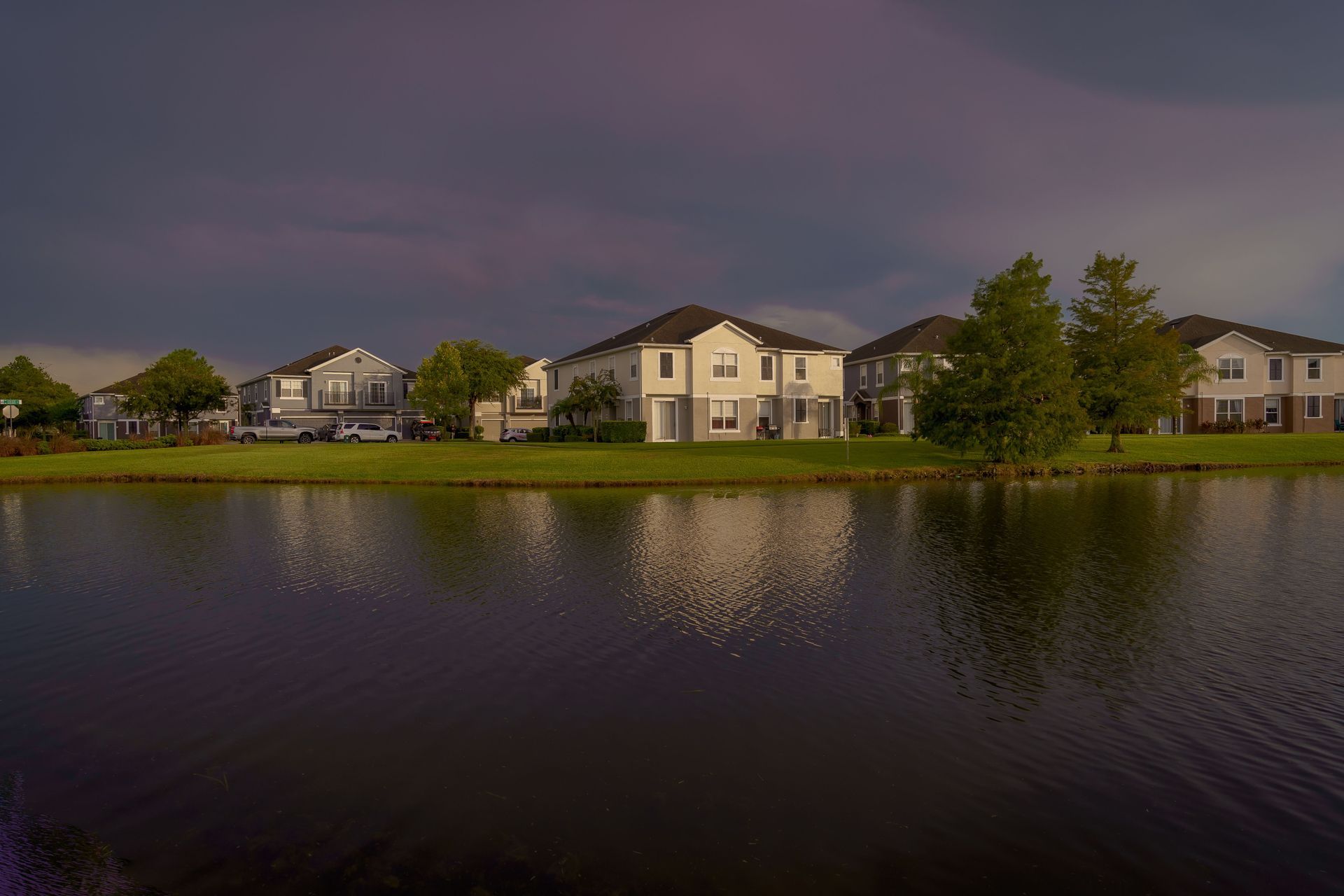
Port St. Lucie attracts substantial relocation from the Northeast due to its affordability relative to other Florida markets, excellent master-planned communities with resort-style amenities, and proximity to beaches without beachfront pricing. Homes in Tradition, St. Lucie West, and newer neighborhoods offer modern construction with the features northern buyers expect while costing 30-40% less than comparable homes in West Palm Beach or coastal Martin County. The area’s strong school districts appeal to families relocating with children, and the abundance of golf courses and outdoor recreation attracts active retirees.
However, Port St. Lucie’s rapid growth means infrastructure is constantly catching up to development, and families should research commute times if they’ll be working in offices elsewhere. The city is inland, so while you’re 20-30 minutes from Atlantic beaches, you don’t have ocean views or direct beach access. For families prioritizing lower cost of living and newer construction over beach proximity, Port St. Lucie offers excellent value.
Royal Palm Beach Appeal for Northern Transplants
Royal Palm Beach combines suburban family-friendly environment with Palm Beach County amenities and services. The community attracts relocating families seeking excellent schools in the Palm Beach County school district, proximity to West Palm Beach employment centers and cultural attractions, and more affordable housing than coastal Palm Beach County while remaining in desirable locations. Homes in Royal Palm Beach typically cost $100,000 to $200,000 less than equivalent properties in Wellington or Palm Beach Gardens, making it attractive for families maximizing home size and features within budget.
The community’s planned development means abundant parks, recreation facilities, and family programming. Village Commons Park offers splash pads, sports fields, and pavilions that northern families appreciate. The location provides easy access to major employment centers while maintaining a quieter residential character, ideal for families working remotely or commuting to West Palm Beach offices.
Fort Pierce Opportunities for Value-Conscious Buyers
Fort Pierce offers the most affordable entry point into Treasure Coast homeownership, attracting relocating families and retirees seeking lower cost of living while remaining near beaches and maintaining access to good healthcare and amenities. Median home prices in Fort Pierce run $50,000 to $100,000 lower than Port St. Lucie for comparable homes, providing opportunities for buyers to maximize home size or keep housing costs lower to free up income for other lifestyle priorities.
The city’s historic downtown is experiencing revitalization with new restaurants, art galleries, and community events creating improved quality of life. Fort Pierce also offers waterfront and water-access properties at prices still affordable for middle-class buyers, unlike most Florida coastal markets where waterfront is reserved for the wealthy. The area attracts strong fishing and boating communities, and Hutchinson Island beaches are readily accessible. For families prioritizing affordability and authentic Florida character over resort-style amenities, Fort Pierce provides excellent value.
Establishing Florida Residency While Coordinating Your Move
Establishing legal Florida residency is important for taxes, voting, vehicle registration, and homestead exemption, but the timing relative to your home purchase requires coordination. You don’t need to establish residency before applying for your mortgage or closing on your home, but doing so can help demonstrate your commitment to Florida relocation if your lender has concerns. The key residency actions include obtaining a Florida driver’s license within 30 days of establishing residence, registering your vehicle in Florida and obtaining Florida plates, and registering to vote in Florida.
For tax purposes, you become a Florida resident when you intend to make Florida your permanent home and establish a permanent address here. Many northern states have exit taxes or attempt to claim you remain a resident for tax purposes unless you clearly sever ties. Consulting with a CPA who handles interstate relocation ensures you properly document your move and don’t inadvertently remain liable for taxes in your former state. Maintaining a property in your former state, keeping that state’s driver’s license, or returning to your old state for extended periods can create tax residency complications.
Choosing the Right Loan Program for Relocation
Conventional loans work well for relocating families with strong credit, stable income, and at least 5% down payment once you coordinate employment verification and down payment documentation. The flexibility to use various down payment sources and the relatively straightforward underwriting make conventional loans popular for interstate moves. FHA loans are excellent for families with good credit but limited down payment funds, though FHA’s requirement that you occupy the home as your primary residence within 60 days of closing can create timing challenges if you need to rent temporarily while your current home sells.
VA loans for eligible military veterans offer zero down payment and no PMI, providing excellent benefits for relocating military families or veterans. The VA’s flexibility with remote work and relocation makes this program well-suited to interstate moves. Bridge loans solve timing gaps by allowing you to purchase your Florida home before selling your current home, though they cost more in interest and fees. These are short-term solutions meant to be paid off within weeks or months once your sale closes, not long-term financing strategies.
Some relocating families explore portfolio lenders offering specialized relocation loan programs designed specifically for interstate moves, often with more flexible employment verification and timing accommodation than conventional lenders, though usually at slightly higher rates.
Your Strategic Timeline for Successful Relocation
Starting your Florida mortgage process 4-6 months before your planned move allows time to address any credit issues, gather employment verification documentation, coordinate home sale timing, and compare loan options without time pressure. Three months before moving, you should have Florida mortgage pre-approval in hand based on your specific relocation circumstances, including employment verification and down payment source documentation. Lock in homeowners insurance quotes and flood insurance if applicable to ensure accurate cost expectations.
Two months before moving, finalize your home search and make offers if you’ve found the right property, or continue renting temporarily if you prefer to search after relocating. One month before closing, conduct final employment verification with your lender, confirm your home sale proceeds will be available on schedule if you’re using them for down payment, and schedule your final walkthrough. Two weeks before closing, wire your down payment funds to your closing attorney or escrow company and confirm all loan conditions are satisfied.
Working with me as your mortgage broker throughout this timeline ensures you navigate relocation challenges smoothly, avoid timing problems that could derail your purchase, maximize your loan options, and close on schedule without stressful last-minute complications.
Ready to Make Your Florida Move Successful?
Before you list your home, accept an offer, or start packing boxes…
Let’s make sure your move doesn’t become the story I opened this guide with.
Then:
- “I’ll map your timeline”
- “Structure your pre-approval”
- “Coordinate your sale + purchase”
If you’re relocating to Port St. Lucie, Royal Palm Beach, Fort Pierce, or anywhere in Florida and want to ensure your mortgage and home purchase succeed without expensive mistakes, I’m here to help. With over 20 years helping families move to Florida from across the country, I can coordinate your employment verification with your out-of-state employer, structure your loan to work with your home sale timing, ensure you understand Florida insurance and tax differences, and position you to close on your Florida dream home exactly when you need to. Let’s discuss your relocation timeline and mortgage needs via phone, text, or Zoom to create your custom relocation mortgage strategy.
Contact me today at 561-223-9347 or send me an email:
edgar@treasurecoasthomeloans.com.
Together, we’ll make your move to Florida exactly what you’ve dreamed it would be.
Loan approval is not guaranteed and is subject to lender review of information. All loan approvals are conditional and all conditions must be met by the borrower(s). A loan is only approved when the lender has issued approval in writing and is subject to all lender conditions. Any specified rates and terms are contingent upon loan approval and are subject to change without notice due to unpredictable market conditions.
Innovative Mortgage Services, Inc. is a Florida licensed lender.
Company NMLS #250769.
Originator NMLS # 230414
Florida Mortgage Lender License, License/Registration #: MLD178
Florida Mortgage Lender Servicer License, License/Registration #: MLD2167
Equal Housing Lender
Call or text 561-223-9347 or email edgar@treasurecoasthomeloans.com to discuss your loan.
Loan approval is not guaranteed and is subject to lender review of information. All loan approvals are conditional and all conditions must be met by the borrower(s). A loan is only approved when the lender has issued approval in writing and is subject to all lender conditions. Any specified rates and terms are contingent upon loan approval and are subject to change without notice due to unpredictable market conditions. Innovative Mortgage Services, Inc. is a Florida licensed lender. Company NMLS #250769. Originator NMLS # 230414. Florida Mortgage Lender License, License/Registration #: MLD178 Florida. Mortgage Lender Servicer License, License/Registration #: MLD2167 Equal. Equal Housing Lender
Mortgage Broker Port St. Lucie, Florida
Learn More About the Mortgage Process.
Check Out Our Google Verified Reviews