The Exact Documents You Need to Get Pre-approved in 2026 (And the One Missing Paper That's Destroying 40% of Florida Mortgage Applications)
A couple in Stuart spent three weeks gathering documents for mortgage pre-approval. They compiled pay stubs, bank statements, tax returns, and credit reports. They submitted everything to their lender feeling confident and organized. Two days later, the lender requested their 2023 W-2s, which they couldn’t locate because their former employer had gone out of business. Their pre-approval stalled for another two weeks while they requested copies from the IRS, during which time the home they wanted to buy went under contract with another buyer who had complete documentation ready...
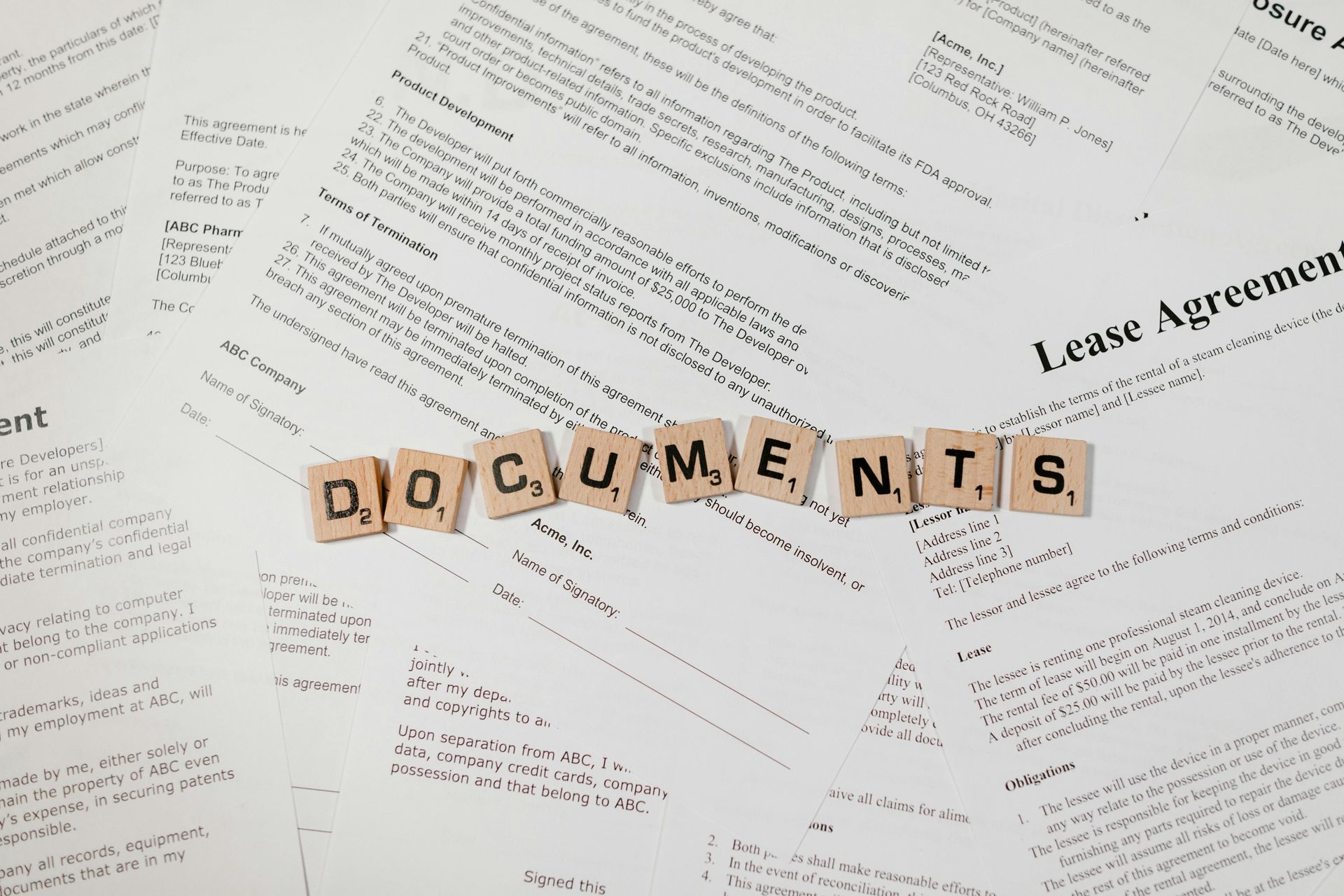
Meanwhile, another buyer in Palm City called Florida’s #1 mortgage broker before gathering any documents, received a clear checklist of exactly what would be needed for their specific situation, spent one focused day assembling everything, and received full pre-approval within 48 hours positioning them to make competitive offers immediately. The difference between these outcomes wasn’t luck or financial qualification. It was understanding exactly which documents mortgage lenders require for pre-approval, why each document matters, and how to gather everything efficiently before you start the process rather than scrambling reactively when lenders request items piecemeal.
Why Document Preparation Matters More Than You Think
Getting pre-approved for a Florida mortgage isn’t just about proving you have income and assets. It’s about providing lenders with a complete financial picture that demonstrates your ability and willingness to repay the loan. Every document serves a specific verification purpose that protects both you and the lender from loans that can’t be sustained.
Understanding why each document is required helps you see mortgage documentation as strategic storytelling about your financial reliability rather than invasive bureaucracy.
Incomplete documentation is the single biggest reason pre-approvals take weeks instead of days. When you submit partial information, lenders must repeatedly return to you requesting additional items, extending timelines and creating frustration. In competitive Florida real estate markets across Port St. Lucie, West Palm Beach, Royal Palm Beach, Fort Pierce, and the entire Treasure Coast, delays of even a few days can mean losing homes to buyers with faster pre-approval processes. Sellers and their agents favor buyers with complete financial documentation because it signals seriousness, organization, and lower risk of financing complications that could derail closings.
The Core Documents Every Florida Mortgage Application Requires
Recent pay stubs covering the most recent 30 days of income are essential for W-2 employees. Lenders need to see your current income, year-to-date earnings, and deductions. Two recent pay stubs are typically sufficient, though some lenders request the most recent month of pay stubs if you’re paid weekly or bi-weekly. Make sure pay stubs clearly show your employer name, your name, gross pay, deductions, net pay, and year-to-date totals. Handwritten pay stubs or unclear mobile deposit images often get rejected requiring you to obtain better copies from your employer.
W-2 forms for the past two years document your employment history and income stability. Lenders verify that your current employment matches your claimed work history and that income has been consistent or increasing. If you changed jobs, you’ll need W-2s from all employers during those two years. Tax returns for the past two years including all schedules are required for self-employed borrowers, those with rental income, those claiming bonuses or commissions that comprise significant income, and anyone with complex income sources. Lenders need complete returns showing all income sources, deductions, and final tax liability. Missing schedules like Schedule C for self-employment or Schedule E for rental properties will trigger requests for additional documentation.
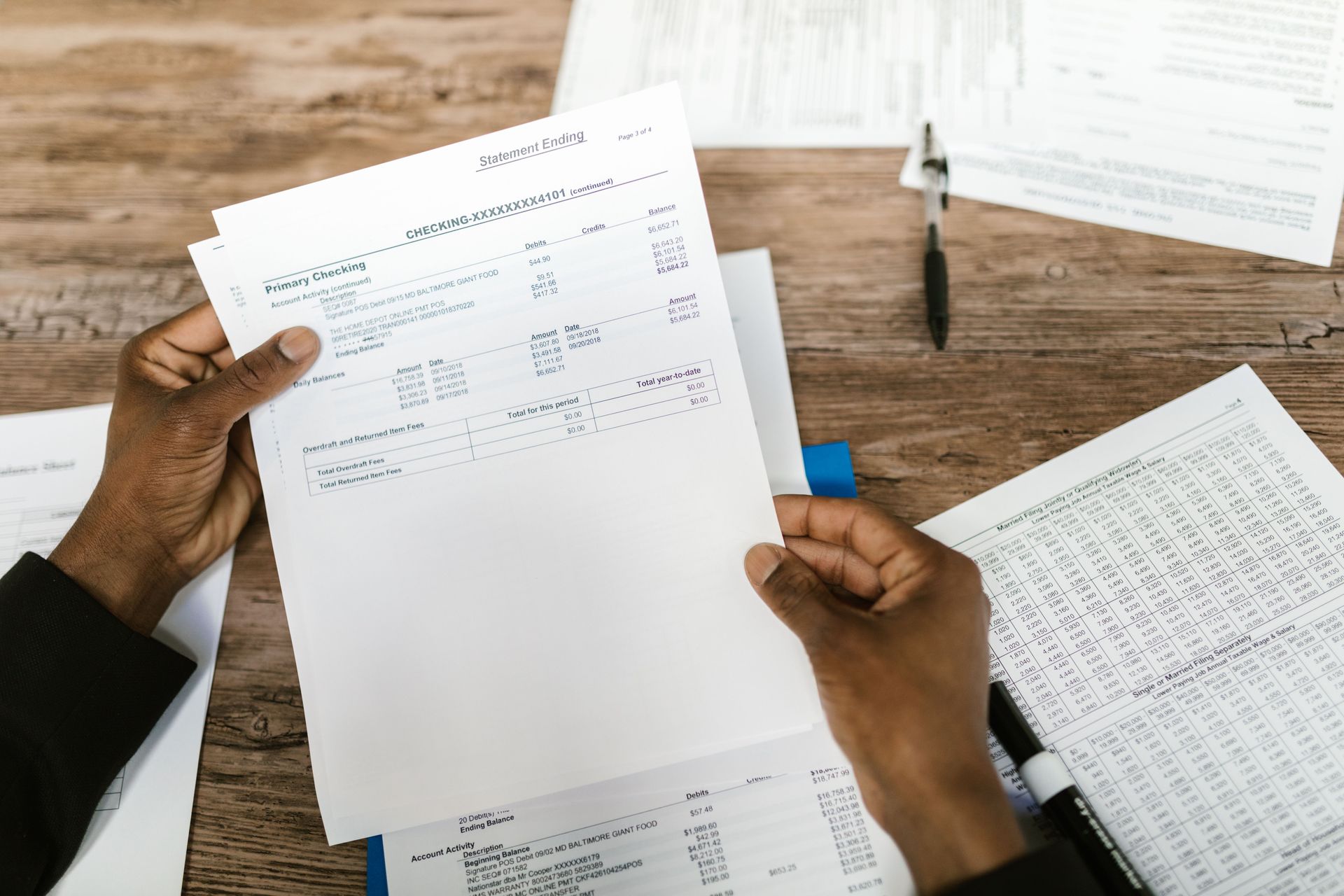
Bank statements for the past two months covering all accounts where you hold funds for down payment and closing costs prove you have the money you claim and document the source of funds. Lenders scrutinize large deposits to ensure funds aren’t borrowed money that would increase your debt obligations. Two full months of statements showing beginning balance, all transactions, and ending balance are standard. Partial statements or screenshots typically aren’t accepted. Government-issued photo identification verifies your identity and confirms you are who you claim to be. Drivers licenses, passports, or state ID cards are acceptable. Expired IDs aren’t acceptable and will require renewal before pre-approval can be completed.
Self-Employed and Business Owner Documentation Requirements
Self-employed borrowers and business owners face more extensive documentation requirements because their income requires additional verification beyond simple pay stubs and W-2s. Two years of personal tax returns including all schedules show your reported personal income from business activities. Lenders look at your adjusted gross income and how you’ve calculated business income or loss. Two years of business tax returns for all businesses you own more than 25% of document business revenue, expenses, and profitability trends. For sole proprietors filing Schedule C with personal returns, separate business returns aren’t required, but for S-corporations, partnerships, or LLCs taxed as corporations, complete business returns are mandatory.
Year-to-date profit and loss statements showing current year business performance bridge the gap between last year’s tax returns and today. If it’s March 2026 and your most recent tax return is from 2024, lenders need 2025 and year-to-date 2026 profit and loss statements to verify business income is stable or growing. These statements must be prepared according to accounting standards showing revenue, cost of goods sold, operating expenses, and net income. Handwritten or obviously fabricated profit and loss statements will be rejected. Business bank statements for the past two months for all business accounts verify that business income claimed on profit and loss statements matches deposits and that the business maintains adequate cash flow. Lenders look for consistency between claimed revenue and actual deposits.
Business licenses or articles of incorporation prove your business is legitimate and has been operating for the time period you claim. Lenders want to see that you’ve been self-employed for at least two years because newer businesses lack the track record needed for reliable income verification. Contracts or letters from clients for certain business types provide additional income verification. If you’re a consultant or contractor with significant contracts guaranteeing future income, these documents support your income claims.
Asset Documentation Beyond Basic Bank Statements
Retirement account statements showing balances in 401(k)s, IRAs, or other retirement accounts document additional assets that can sometimes be used for reserves or down payment. While retirement accounts are typically not used for down payment due to tax penalties and early withdrawal consequences, lenders like to see them because they demonstrate financial responsibility and provide backup capacity if needed. Investment account statements for brokerage accounts, mutual funds, stocks, or bonds show liquid or semi-liquid assets available for down payment or reserves. Lenders need the most recent statement showing account value and holdings.
Gift letters and proof of gift funds if you’re receiving down payment money from family members must be properly documented. The gift letter must state the amount, confirm it’s a gift with no repayment expectation, and identify the relationship between giver and recipient. Bank statements from the donor showing they have the funds to give and wire confirmation or check images documenting the transfer are required. Lenders scrutinize gifts carefully because they can’t be disguised loans that would affect your debt-to-income ratio. Divorce decrees and separation agreements if you’re divorced or separated are needed to verify alimony obligations, child support payments, or any liabilities you’re responsible for from the marriage. These documents also clarify property ownership rights if applicable.
Bankruptcy and foreclosure discharge papers if you’ve experienced these events in the past need to be provided with complete documentation showing discharge dates and final resolution. Depending on the loan program and how long ago these events occurred, they may affect your qualification or require explanation letters.
Credit and Debt Documentation
While lenders will pull your credit report directly, understanding what appears on your credit is essential to addressing issues proactively. You should obtain your credit report before applying for pre-approval to review it for accuracy. Recent credit inquiries, current debts, payment history, and any collections or judgments will all be visible to lenders and affect your qualification. Having explanations prepared for any credit issues streamlines the pre-approval process.
For any debts appearing on your credit report, lenders will verify current balances and monthly payments. Provide recent statements for car loans, student loans, personal loans, and credit cards showing current balances and payment requirements. If you’re paying off debt before closing to improve your debt-to-income ratio, you’ll need documentation proving those debts are fully satisfied. If you have accounts in collections that you’ve since paid or resolved, documentation showing satisfaction of those debts helps your application even though the historical collection may still appear on your credit report for several years.
Employment Verification and Income Stability Documents
Beyond pay stubs and W-2s, lenders conduct verbal verification of employment shortly before closing to confirm you’re still employed and haven’t had income changes. Providing your HR department contact information upfront prevents delays when lenders call for verification. Employment contracts or offer letters for people starting new jobs help verify expected income especially if you’re changing employment shortly before or after home purchase. Many lenders require you to start the new position before closing, while others accept offer letters from well-established employers in the same field at comparable or higher income.
If you receive income from sources beyond base salary, documentation of those income sources is critical. Bonus income requires two years of history shown on W-2s and pay stubs plus written verification from your employer that bonuses will continue. Commission income needs two years of tax returns and pay stubs showing consistent commission earnings plus employer verification. Overtime and shift differential income requires two years of history and employer confirmation that such income opportunities will continue. Rental income from investment properties needs lease agreements, two years of tax returns showing rental income on Schedule E, and possibly rental property mortgage statements.
Florida-Specific Documentation Considerations
Homeowners insurance estimates or quotes are required earlier in the Florida pre-approval process than in many other states due to our challenging insurance market. Lenders want to verify you can obtain insurance and understand the cost before committing to pre-approval because insurance costs in Royal Palm Beach, Port St. Lucie, Fort Pierce, and coastal areas can be surprisingly high and affect your debt-to-income ratio. HOA documents including governing documents, financial statements, and questionnaires are required if you’re buying in a community with a homeowners association. Lenders need to verify the HOA is financially stable, properly funded, and that any special assessments won’t create unaffordable obligations.
Flood insurance estimates or flood zone determinations are needed for properties in designated flood zones. Much of Florida has flood zone areas requiring flood insurance, and lenders must verify this cost is included in your qualification. For properties within certain distances of the coast or water features, wind mitigation inspection reports may be required to determine windstorm insurance eligibility and pricing. These reports can significantly reduce insurance costs if the property has proper wind-resistant features.
The Missing Documents That Kill Applications
The number one missing document that delays or destroys Florida mortgage applications is complete tax returns with all schedules. People submit Form 1040 but forget to include Schedule C for business income, Schedule E for rental income, or other critical schedules that lenders need to verify income sources. Without complete returns, lenders cannot verify income and cannot proceed with pre-approval. Second most common missing item is verification of large deposits in bank accounts. Any deposit exceeding 50% of your monthly income triggers scrutiny. If you receive a $10,000 tax refund, inheritance, or gift and deposit it into your account used for down payment, lenders need documentation explaining the source. Without proper paper trail proving the money isn’t a loan, lenders cannot count those funds toward your down payment or reserves.
Third killer is inadequate explanation letters for credit issues. If you have late payments, collections, or derogatory credit items, lenders will request written explanation letters describing what happened and what you’ve done to resolve issues and prevent recurrence. Generic or evasive explanation letters create doubt about your creditworthiness. Detailed, honest explanations with supporting documentation showing resolution strengthen applications. Employment gaps or frequent job changes without proper explanation documentation can stall applications. If you’ve had periods of unemployment or have changed jobs multiple times in recent years, lenders need explanations and documentation showing the current situation is stable.
How to Organize Your Documents for Maximum Efficiency
Create a master checklist of all required documents specific to your employment and income situation before you begin gathering anything. This prevents scattered, reactive document hunting and ensures you get everything needed in one organized effort. Use a simple folder system either physical or digital organizing documents by category with clear labels like Pay Stubs, Tax Returns, Bank Statements, Identification, and Employment Verification. Scan all documents to PDF at high resolution making them clearly readable. Blurry phone photos of documents often get rejected requiring you to rescan and resubmit.
Ensure all pages of multi-page documents are included. Bank statements must include every page showing all account activity, not just the summary page. Tax returns must include every form and schedule filed with the IRS. Create a document inventory list noting which items you have and which items you still need to obtain. This checklist prevents forgetting critical pieces and allows you to systematically work through requirements. For any documents you can’t immediately locate like old W-2s or tax returns, know where to obtain replacements. The IRS website allows you to request tax return transcripts online, and most employers can provide W-2 copies or verification letters for past employment.
When to Gather Documents and When to Apply
The optimal time to start gathering mortgage documents is before you begin shopping for homes, not after you find a property you love. Having everything ready allows you to obtain pre-approval immediately once you decide to start making offers. This positions you as a serious, prepared buyer whose financing won’t delay or jeopardize closing. If you’re considering buying within the next 3-6 months, start assembling documents now even if you haven’t found a home yet. Documents typically remain valid for 60-90 days, so gathering them early won’t result in expiration before you need them.
For people planning to buy in 6-12 months, focus first on reviewing your credit report and addressing any issues that could affect qualification, gathering information about your employment and income sources to understand what documentation you’ll eventually need, and starting to save bank statements monthly so you’ll have the required two months when you’re ready to apply. If you’re unsure whether you qualify or what documentation your specific situation requires, reach out to Florida’s #1 mortgage broker for a consultation before gathering anything. A brief conversation can clarify exactly what you’ll need based on your employment type, income sources, and financial situation, saving you time gathering unnecessary documents while ensuring you don’t overlook critical items.
How Different Loan Types Affect Documentation Requirements
FHA loans generally have more flexible income documentation requirements but require complete asset documentation and explanations for any credit issues. FHA borrowers must provide all standard documents plus any additional items needed to explain credit history. VA loans for eligible military veterans require all standard documentation plus Certificate of Eligibility proving VA loan eligibility, DD-214 discharge papers documenting military service, and proof of current military service if still on active duty. Conventional loans have the most stringent documentation requirements and typically require higher credit scores and lower debt-to-income ratios.
Jumbo loans exceeding conventional loan limits require extensive documentation of income, assets, reserves, and overall financial stability. Jumbo borrowers typically need larger reserves after closing, documentation of significant liquid assets, and often undergo more detailed financial scrutiny than conventional loan borrowers. Self-employed borrowers pursuing any loan type face enhanced documentation requirements regardless of the program chosen.
The Strategic Advantage of Complete Documentation
Buyers with complete documentation ready before making offers have substantial competitive advantages in Florida’s real estate markets. You can provide immediate proof of financial qualification when making offers, demonstrating to sellers that you’re a serious buyer who won’t have financing delays. Real estate agents prefer working with pre-approved buyers who have completed full documentation because they know these transactions are more likely to close smoothly without last-minute financial surprises.
Sellers facing multiple offers often choose buyers with complete financial documentation over higher offers from buyers with questionable or incomplete pre-approval because closing certainty matters more than an extra few thousand dollars that might never materialize if financing falls through. Complete documentation also allows your mortgage professional to lock interest rates immediately once you’re under contract rather than waiting days or weeks while scrambling to gather additional paperwork. In volatile rate environments, this timing advantage can save thousands of dollars if rates increase while you’re hunting for documents.
Your Clear Path to Efficient Pre-Approval
The path to fast, smooth pre-approval starts with understanding exactly which documents your specific situation requires, gathering everything before you contact lenders, and providing complete documentation upfront rather than piecemeal as requested. Working with an experienced Florida mortgage broker who explains requirements clearly and reviews your documentation for completeness before submission prevents the back-and-forth document requests that extend pre-approval timelines from days to weeks.
The difference between buyers who close on their dream homes and those who lose opportunities to better-prepared competition often comes down to documentation readiness. Investing one or two focused days assembling complete financial documentation positions you to move quickly and confidently when you find the right property.
Ready to Get Pre-Approved the Right Way?
If you’re ready to start the home buying process and want to ensure your pre-approval is fast, complete, and positions you to make competitive offers immediately, I’m here to help. With over 20 years as Florida’s #1 mortgage broker helping buyers throughout Port St. Lucie, Royal Palm Beach, West Palm Beach, Fort Pierce, and the entire Treasure Coast, I can provide a customized documentation checklist based on your specific employment and income situation, review documents before submission to ensure everything is complete and acceptable, process your pre-approval within 48 hours once complete documentation is provided, and position you to make winning offers on Florida homes. Let’s discuss your situation and mortgage goals via phone, text, or Zoom so I can provide your exact documentation requirements.
Contact me today at 561-223-9347 or email edgar@treasurecoasthomeloans.com.
Together, we’ll get you fully pre-approved and ready to buy.
Loan approval is not guaranteed and is subject to lender review of information. All loan approvals are conditional and all conditions must be met by the borrower(s). A loan is only approved when the lender has issued approval in writing and is subject to all lender conditions. Any specified rates and terms are contingent upon loan approval and are subject to change without notice due to unpredictable market conditions.
Innovative Mortgage Services, Inc.
is a Florida licensed lender.
Company NMLS #250769
Originator NMLS #230414
State Designations:
Florida Mortgage Lender License, License/Registration #: MLD178
Florida Mortgage Lender Servicer License, License/Registration #: MLD2167
Equal Housing Lender
Call or text 561-223-9347 or email edgar@treasurecoasthomeloans.com to discuss your loan.
Loan approval is not guaranteed and is subject to lender review of information. All loan approvals are conditional and all conditions must be met by the borrower(s). A loan is only approved when the lender has issued approval in writing and is subject to all lender conditions. Any specified rates and terms are contingent upon loan approval and are subject to change without notice due to unpredictable market conditions. Innovative Mortgage Services, Inc. is a Florida licensed lender. Company NMLS #250769. Originator NMLS # 230414. Florida Mortgage Lender License, License/Registration #: MLD178 Florida. Mortgage Lender Servicer License, License/Registration #: MLD2167 Equal. Equal Housing Lender
Mortgage Broker Port St. Lucie, Florida
Learn More About the Mortgage Process.
Check Out Our Google Verified Reviews


Everyone Says Homes Are Unaffordable. What If You Shopped the Entire Homeownership Equation Instead?